


29, Sep 2026
Sesame Seeds: Health Benefits, Uses, and Nutrition Facts
Sesame seeds are small, oil-rich seeds that come from the sesame plant. They are available in white, black, and brown varieties. These tiny seeds are packed with nutrients, including healthy fats, protein, fiber, vitamins, and minerals. They are commonly used in cooking and baking.
Although sesame seeds are small, they offer many benefits. They can add a nutty flavor and a gentle crunch to everyday meals. From salads to baked goods, these seeds can make simple dishes more enjoyable. Their nutritional value also makes them a popular choice for people looking to eat a balanced diet.
In this article, we will explore the health benefits, uses, and nutrition facts of sesame seeds. You will learn about their nutrients, different types, and easy ways to include them in your daily meals. We will also discuss how to store sesame seeds and enjoy their flavor in different recipes.
What Are Sesame Seeds?
Sesame seeds are tiny, flat seeds that grow inside the pods of the sesame plant. They are commonly used in cooking and baking. These seeds have a mild, nutty flavor and a slightly crunchy texture. They come in different colors, including white, black, and brown.
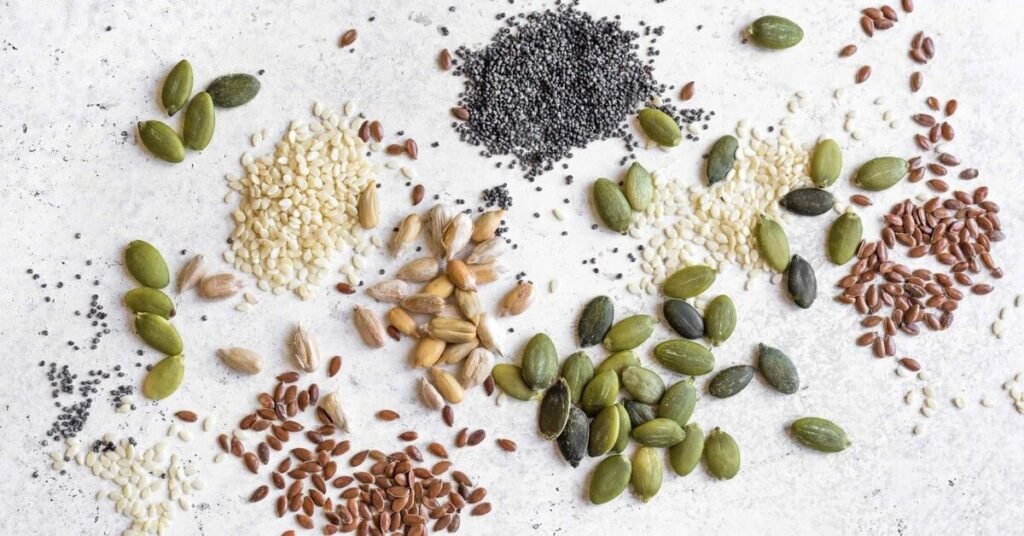
Sesame seeds are popular in many cuisines around the world. They are often sprinkled over bread, salads, and stir-fries. They are also used to make tahini, a smooth paste made from ground sesame seeds. In addition, sesame seeds are a common ingredient in sweets and snacks.
Despite their small size, sesame seeds contain several important nutrients. They provide healthy fats, protein, fiber, and minerals such as calcium, iron, and magnesium. Adding them to meals can bring extra flavor and nutritional value. However, people with sesame allergies should avoid them.
Types of Seeds
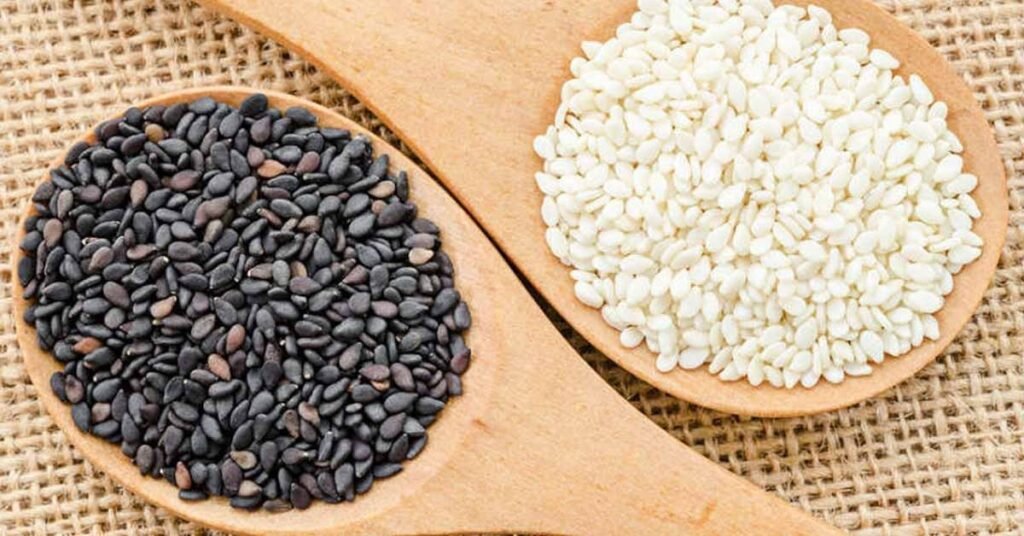
Sesame seeds come in several colors and varieties. White sesame seeds are the most common type. They have a mild, nutty flavor and work well in bread, salads, sauces, and desserts. They are also often used to make tahini.
Black sesame seeds have a darker color and a stronger, richer flavor. They are popular in many Asian dishes and can add a beautiful contrast to meals. Brown and golden sesame seeds are also used in cooking and have a pleasant nutty taste.
The main types can be used in similar ways, but their flavor and appearance may differ. You can choose a variety based on the recipe and your taste. Toasting sesame seeds can also bring out their natural aroma and make them more flavorful.
Nutrition Facts
Sesame seeds are small but rich in nutrients. They provide healthy fats, plant-based protein, and dietary fiber. They also contain minerals such as calcium, magnesium, iron, and zinc. Their nutrient content can make them a useful addition to a balanced diet.
A small serving can add flavor and nutrients without requiring much food. Sesame seeds also contain natural plant compounds called lignans. These compounds have antioxidant properties. However, sesame seeds are calorie-dense, so portion size still matters.
The nutrition can vary based on the type and preparation method. Raw, roasted, hulled, and unhulled sesame seeds may have slightly different nutrient amounts. For accurate nutrition information, check the product label or a reliable food database.
Health Benefits
Sesame seeds provide several nutrients that support overall health. They contain protein, fiber, healthy fats, calcium, magnesium, and iron. These nutrients help support normal body functions. Adding a small amount to meals can be an easy way to increase nutrient variety.
The healthy fats and fiber in sesame seeds can support a balanced eating pattern. Their minerals also play important roles in maintaining strong bones and normal muscle function. Sesame seeds contain plant compounds called lignans and other antioxidants that help protect cells from oxidative stress.
Sesame seeds can be part of a healthy diet when eaten in moderate amounts. They are easy to add to salads, vegetables, oatmeal, yogurt, and baked foods. However, they are calorie-dense, and people with a sesame allergy should avoid them.
Sesame Seeds for Skin and Hair
Sesame seeds contain nutrients that can support healthy skin and hair as part of a balanced diet. They provide healthy fats, protein, zinc, iron, and antioxidants. These nutrients help support normal skin and hair function. However, eating sesame seeds alone cannot prevent or treat skin or hair problems.
You can add sesame seeds to your meals in simple ways. Try sprinkling them over salads, yogurt, oatmeal, or cooked vegetables. They can also be included in homemade breads and snacks. Some nutrients found in sesame seeds include:
- Healthy fats: Help support normal skin function.
- Protein: Provides building blocks needed by the body.
- Zinc: Supports normal skin maintenance.
- Iron: Helps support normal oxygen transport.
- Antioxidants: Help protect cells from oxidative stress.
How to Eat Sesame Seeds
Sesame seeds are easy to add to everyday meals. You can eat them raw, lightly toasted, or ground into a paste. Toasting brings out their nutty flavor and makes them a tasty topping. Start with a small amount and add more based on your taste.
You can sprinkle sesame seeds over salads, soups, vegetables, rice, and noodles. They also work well in oatmeal, yogurt, smoothies, and homemade baked foods. Ground can be used to make tahini, which is useful in sauces, dips, and dressings.
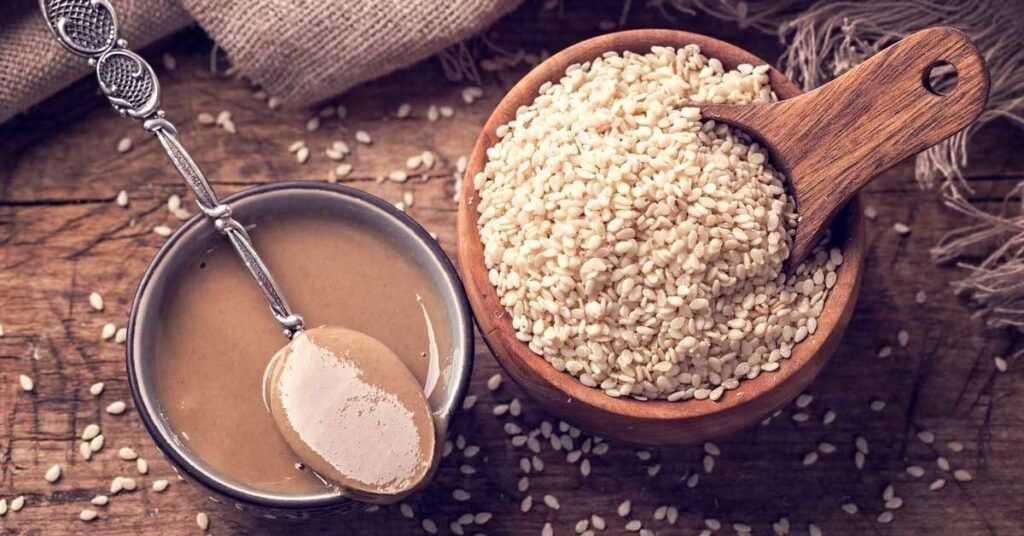
| Way to Eat | How to Use Sesame Seeds |
| Salads | Sprinkle over fresh vegetables and greens. |
| Oatmeal | Add a small spoonful for extra flavor. |
| Yogurt | Mix with yogurt and fresh fruit. |
| Rice | Sprinkle toasted seeds over cooked rice. |
| Stir-Fries | Add them near the end of cooking. |
| Baked Foods | Use them on bread, rolls, and crackers. |
| Smoothies | Blend a small amount with other ingredients. |
| Tahini | Use ground sesame seeds in dips and dressings. |
| Snacks | Mix them with oats, seeds, or dried fruit. |
| Soups | Add a small sprinkle before serving. |
Uses in Cooking
Sesame seeds are a simple way to add flavor and texture to many dishes. They have a mild, nutty taste that becomes richer when lightly toasted. You can sprinkle them over salads, cooked vegetables, rice, noodles, and soups. They also make a nice topping for homemade bread and rolls.
Sesame seeds are also useful in sauces and spreads. Ground are used to make tahini, which can be added to dips, dressings, and sauces. You can also mix with spices to create a flavorful topping for roasted vegetables or grain bowls. Their small size makes them easy to add without changing the texture of a dish too much.
These seeds work well in both sweet and savory foods. They can be added to cookies, energy bites, granola, and other baked treats. For a deeper flavor, toast them in a dry pan over low to medium heat and stir often. Remove them when they become lightly golden and fragrant to prevent burning.
Sweet and Savory Recipes
Sesame seeds can add a pleasant crunch to savory meals. They pair well with vegetables, rice, noodles, and salads. You can sprinkle toasted over stir-fries or use them as a topping for soups. Their mild, nutty flavor works well with garlic, ginger, soy sauce, and fresh herbs.
Sesame seeds are also a useful ingredient in sweet recipes. They can be added to cookies, cakes, granola, and homemade snack bars. They also pair nicely with honey, dates, and dried fruits. Lightly toasting the seeds can give sweet treats a warmer and richer flavor.
You can use in simple recipes without much preparation. Try mixing them into a dressing or grinding them into tahini for a creamy sauce. For baking, add them to dough or sprinkle them on top before baking. These small seeds can bring both flavor and texture to everyday recipes.
Raw vs. Roasted Sesame Seeds
Raw have a mild flavor and a soft, slightly crunchy texture. They can be added directly to salads, smoothies, yogurt, and homemade recipes. Their natural flavor is more subtle. They are also useful when you want to grind the seeds into tahini or other spreads.
Roasted have a deeper, nuttier flavor. Gentle roasting brings out their natural aroma and makes them crispier. They work well as toppings for rice, noodles, vegetables, salads, and baked foods. You can roast them in a dry pan over low to medium heat and stir often to prevent burning.
Both options can fit into a balanced diet. The better choice depends on the recipe and your taste. If you want a stronger flavor and extra crunch, roasted are a good option. For recipes where you prefer a milder taste, raw seeds may work better.
Sesame Seeds Allergy and Safety
Sesame seeds can cause allergic reactions in some people. Symptoms may include hives, itching, swelling, stomach discomfort, vomiting, coughing, or trouble breathing. A severe allergic reaction can be life-threatening. If you already have a sesame allergy, avoid sesame seeds and foods that contain them.
Food labels can help you identify sesame in packaged foods. Sesame may be found in products such as tahini, breads, sauces, dressings, and snack foods. Cross-contact can also happen when foods are prepared with shared equipment or surfaces.
If you are unsure about a possible sesame allergy, speak with a qualified healthcare professional. People with a known allergy should follow their healthcare provider’s safety plan. For sudden breathing difficulty, throat swelling, dizziness, or other signs of a severe reaction, seek emergency medical care immediately.
How to Store Sesame Seeds
Proper storage can help sesame seeds stay fresh and flavorful for longer. Keep them in an airtight container with a tight lid. Store the container in a cool, dry, and dark place away from heat and direct sunlight. This helps protect the seeds from moisture and unwanted odors.
For longer storage, you can keep in the refrigerator or freezer. This can be especially useful for larger quantities or unhulled seeds. Before using refrigerated or frozen seeds, let them reach room temperature if condensation could form. Always use a clean, dry spoon when taking seeds from the container.
Check the seeds before using them. Fresh should have a mild, nutty smell. Discard them if they develop a strong rancid odor, unusual taste, visible mold, or signs of moisture. Proper storage keeps ready for cooking, baking, and toppings.
Tips for Buying Fresh
Choose that look clean, dry, and evenly colored. They should have a mild, nutty smell without any strong or unpleasant odor. Avoid packages with signs of moisture, insects, or damaged seeds. Fresh seeds should also be free from visible mold or unusual discoloration.
Check the package label before buying. Look at the expiration or best-before date and choose a package with a longer storage period when possible. If you buy sesame seeds in bulk, select a store with good product turnover and proper storage conditions.
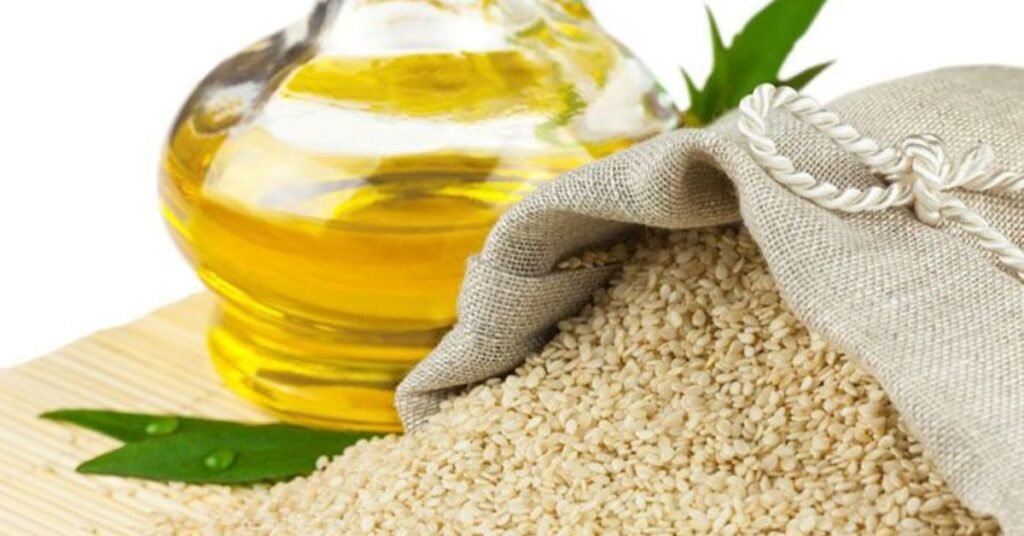
You can also choose between hulled and unhulled. Hulled seeds have their outer covering removed and usually have a softer texture. Unhulled seeds contain the outer layer and can have a slightly stronger taste. Choose the type that best suits your recipe and cooking needs.
Conclusion
Sesame seeds are small but versatile ingredients that can add flavor, texture, and nutrients to everyday meals. They contain healthy fats, protein, fiber, and several minerals. You can enjoy them in salads, baked foods, sauces, rice, and many other recipes.
Choose fresh sesame seeds and store them properly to maintain their quality. You can use them raw or lightly roasted based on your recipe. With simple preparation, can be an easy addition to a balanced and varied diet.
FAQs
1. What are sesame seeds?
These are small, nutrient-rich seeds with a mild, nutty flavor. They are often used in cooking, baking, sauces, and toppings.
2. Can you eat them raw?
Yes, they can be eaten raw. You can also lightly toast them to bring out a deeper flavor and crunchy texture.
3. What are the main benefits?
They provide healthy fats, protein, fiber, calcium, magnesium, and other nutrients that can complement a balanced diet.
4. How should they be stored?
Keep them in an airtight container in a cool, dry, and dark place. Refrigerating or freezing them can help maintain freshness for longer.
5. Can they cause allergies?
Yes, they can trigger allergic reactions in some people. Anyone with a known allergy should avoid foods containing this ingredient.
- 0
- By softplatter964@gmail.com
- September 29, 2026 13:31 PM