
30, Jul 2026
Top 15 Foods That Kill Parasites in Humans at Home
Parasites are tiny organisms that live inside the human body. They survive by taking nutrients from their host. Some parasites can cause stomach pain, diarrhea, bloating, tiredness, and other health problems. While medical treatment is often needed, certain foods may help support your body’s natural defenses.
Did you know that some common kitchen foods may help create an environment that is less friendly to parasites? Garlic, pumpkin seeds, papaya seeds, and other natural foods have been used in traditional diets for many years. Adding these foods to a balanced diet may help support good digestive health.
In this guide, you will learn about 15 foods that kill parasites in humans at home. We will also explain how these foods may help, how to include them in your diet, and why they should be used alongside proper medical advice when a parasitic infection is suspected.
What Are Human Parasites?
Human parasites are living organisms that survive by living inside or on the human body. They take nutrients from their host to grow and reproduce. Some parasites are too small to see without a microscope, while others are larger and easier to identify.
There are different types of human parasites. The most common include protozoa, helminths (worms), and ectoparasites such as lice and mites. People can become infected through contaminated food, dirty water, insect bites, or poor hygiene.
Not all parasites cause symptoms right away. Some people may feel healthy for a long time, while others may experience stomach pain, diarrhea, bloating, fatigue, or weight loss. Early diagnosis and proper treatment are important to prevent complications.
How Foods That Kill Parasites in Humans May Help
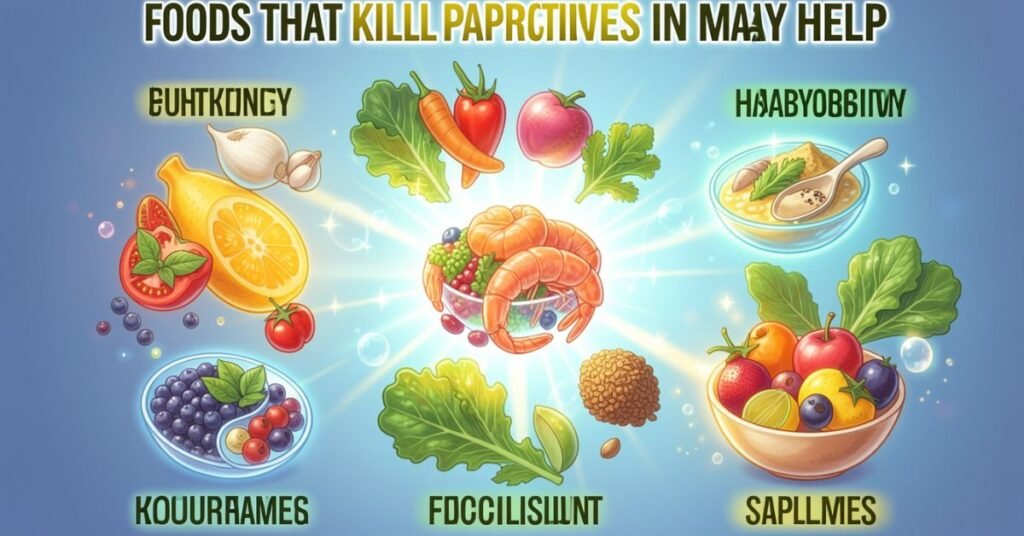
Some foods contain natural compounds that may help support the body’s defense against parasites. They can create an environment that is less favorable for certain parasites to survive. These foods may also help improve digestion and support a healthy gut.
Many foods that kill parasites in humans are rich in antioxidants, vitamins, and plant-based compounds. Ingredients like garlic, pumpkin seeds, ginger, and cloves have been used in traditional diets for many years. While research on some of these foods is still ongoing, they may provide helpful support as part of a balanced diet.
Natural foods should not replace medical treatment for a confirmed parasitic infection. If you have severe symptoms or think you have parasites, it is important to see a healthcare provider for proper testing and treatment. Using healthy foods along with medical advice is the safest approach.
Garlic
Garlic is one of the most popular natural foods used to support overall health. It contains a compound called allicin, which has antimicrobial and antifungal properties. Some studies suggest these properties may also help fight certain parasites.
Fresh garlic is often considered more beneficial because it contains higher levels of active compounds. You can add it to soups, salads, sauces, or cooked meals. Some people also eat small amounts of raw garlic, but it may cause stomach irritation in sensitive individuals.
Although garlic may help support a healthy digestive system, it is not a proven cure for parasitic infections. If you have ongoing symptoms or think you have parasites, seek medical advice for proper diagnosis and treatment.
Pumpkin Seeds
Pumpkin seeds are often included among natural foods that may help support digestive health. They contain a compound called cucurbitacin, which researchers believe may affect certain types of intestinal parasites. They are also rich in protein, healthy fats, fiber, zinc, and magnesium.
You can enjoy pumpkin seeds as a snack or add them to salads, yogurt, oatmeal, and smoothies. Choose unsalted seeds for a healthier option. Eating them regularly as part of a balanced diet can also support overall wellness.
While pumpkin seeds may offer natural benefits, they should not replace prescribed medicine for a parasitic infection. If you have symptoms that continue or become severe, consult a healthcare professional for proper diagnosis and treatment.
Papaya Seeds
Papaya seeds have been used in traditional medicine for many years to support digestive health. They contain natural compounds such as papain and benzyl isothiocyanate, which have been studied for their potential to help control certain intestinal parasites. More research is still needed to confirm their effects in humans.
The seeds have a strong, peppery taste and can be eaten in small amounts. Some people blend them into smoothies or mix them with honey to make the flavor milder. They should be consumed in moderation, as eating large amounts may cause stomach discomfort.
Papaya seeds may support a healthy digestive system, but they are not a substitute for medical treatment. If you think you have a parasitic infection, it is important to see a healthcare provider for proper testing and care.
Signs You May Have a Parasitic Infection
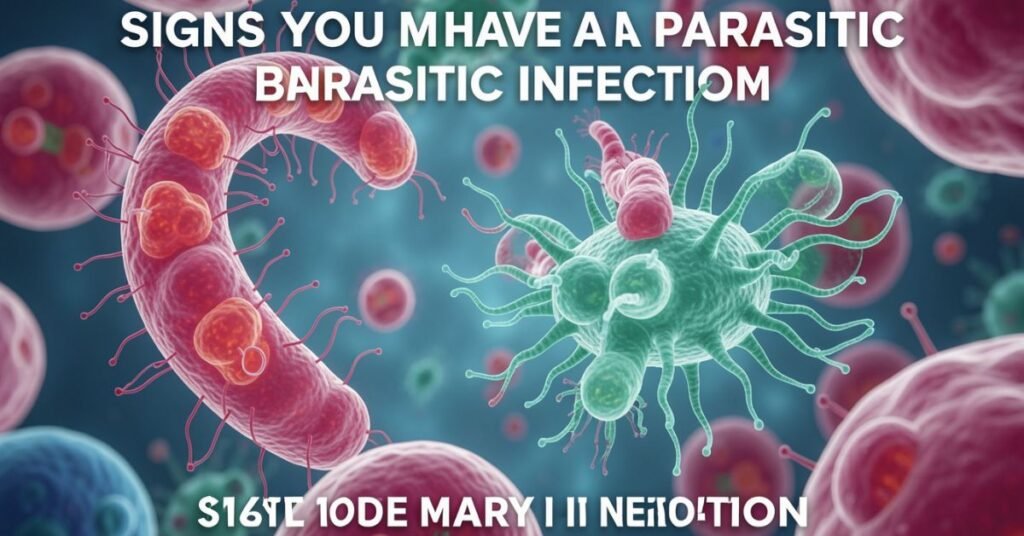
A parasitic infection can cause different symptoms depending on the type of parasite. Some people notice signs within a few days, while others may not have symptoms for weeks or even months. The symptoms can range from mild discomfort to more serious health problems.
Many parasites affect the digestive system. Common symptoms include stomach pain, bloating, diarrhea, nausea, gas, and unexplained weight loss. Some people also feel tired because parasites can reduce the body’s ability to absorb important nutrients.
Not every symptom means you have parasites. These signs can also be linked to other illnesses or digestive conditions. If your symptoms last for a long time or become severe, see a healthcare provider for proper testing and treatment.
| Possible Sign | What It May Feel Like |
| Stomach pain | Cramping or aching in the abdomen |
| Diarrhea | Frequent loose or watery stools |
| Bloating | A swollen or full feeling in the stomach |
| Gas | Excess burping or passing gas |
| Nausea | Feeling sick or like you may vomit |
| Vomiting | Throwing up, especially with stomach illness |
| Unexplained weight loss | Losing weight without changing your diet |
| Fatigue | Feeling weak or tired most of the time |
| Loss of appetite | Not feeling hungry as usual |
| Increased appetite | Feeling unusually hungry despite eating |
| Itchy skin | Skin irritation or unexplained itching |
| Rash | Red or irritated patches on the skin |
| Anal itching | Itching around the anus, often worse at night |
| Blood in stool | Red or dark-colored blood in bowel movements |
| Trouble sleeping | Difficulty falling or staying asleep |
| Low nutrient levels | Vitamin or mineral deficiencies caused by poor absorption |
Coconut
Coconut is a nutritious food that has been used in traditional diets for many years. It contains healthy fats, especially lauric acid, which may help support the body’s natural defense against certain harmful microbes. While there is limited evidence that coconut can treat parasites, it may help promote a healthy digestive system when included in a balanced diet.
You can enjoy coconut in several ways as part of your daily meals. Popular options include:
- Fresh coconut slices as a snack
- Unsweetened shredded coconut in oatmeal or yogurt
- Coconut milk in soups, curries, or smoothies
- Virgin coconut oil in small amounts for cooking or baking
Coconut should not replace medical treatment for a parasitic infection. If you have ongoing symptoms, consult a healthcare professional for proper diagnosis and care.
Ginger
Ginger is a well-known root that has been used for centuries to support digestive health. It contains natural compounds such as gingerol, which have antioxidant and anti-inflammatory properties. Some research suggests these compounds may help create a healthier digestive environment, although ginger is not a proven treatment for parasitic infections.

You can add fresh or dried ginger to tea, soups, stir-fries, smoothies, and other meals. It may also help reduce nausea and support normal digestion. While ginger can be a healthy addition to your diet, it should be used alongside proper medical care if a parasitic infection is suspected.
Turmeric
Turmeric is a bright yellow spice that is widely used in cooking and traditional wellness practices. It contains curcumin, a natural compound with antioxidant and anti-inflammatory properties. Some studies suggest curcumin may help support a healthy digestive system and the body’s natural defense against harmful microbes.
You can add turmeric to curries, soups, rice dishes, smoothies, or warm milk. It is often paired with a small amount of black pepper to improve curcumin absorption. Although turmeric may support overall gut health, it is not a substitute for medical treatment. If you think you have a parasitic infection, consult a healthcare professional for proper diagnosis and care.
Cloves
Cloves are aromatic flower buds that are commonly used as a spice in both sweet and savory dishes. They contain a natural compound called eugenol, which has antioxidant and antimicrobial properties. Some laboratory studies suggest cloves may help protect against certain harmful microorganisms, but more human research is needed to confirm their effects on parasites.
You can use whole or ground cloves in tea, soups, curries, baked foods, and spice blends. Because cloves have a strong flavor, only a small amount is usually needed. While cloves may support digestive health, they should not replace prescribed medication for a parasitic infection. If symptoms continue or worsen, seek medical advice for proper diagnosis and treatment.
Foods to Avoid During a Parasite Cleanse
During a parasite cleanse, it is helpful to choose foods that support good digestion and overall health. Some foods may increase digestive discomfort or provide excess sugar and unhealthy fats. Limiting these foods can help you maintain a balanced diet while following your healthcare provider’s advice.
Foods that are often recommended to limit include:

- Sugary drinks and sweets
- Processed and fast foods
- Refined carbohydrates such as white bread and pastries
- Fried and greasy foods
- Excess alcohol
- Raw or undercooked meat and seafood
- Unpasteurized dairy products
- Highly processed snacks
Avoiding these foods does not treat or remove parasites on its own. If you think you have a parasitic infection, seek medical care for proper diagnosis and treatment. A healthy diet can support recovery, but prescribed medication may still be necessary.
When to See a Doctor for Parasites
Most mild digestive problems go away on their own, but symptoms that last for several days or keep coming back should not be ignored. If you have ongoing diarrhea, severe stomach pain, unexplained weight loss, or blood in your stool, it is important to see a doctor. These symptoms may be caused by a parasitic infection or another medical condition that needs proper treatment.
You should also seek medical care if you develop a high fever, signs of dehydration, persistent vomiting, or extreme tiredness. People with weakened immune systems, older adults, pregnant women, and young children should get medical advice as soon as symptoms appear. Early diagnosis can help prevent complications and improve recovery.
A doctor may recommend stool tests, blood tests, or other examinations to identify the cause of your symptoms. If a parasite is found, the right medication can effectively treat the infection. Natural foods may support overall health, but they should be used alongside professional medical care rather than as a replacement.
Conclusion
Adding foods that kill parasites in humans to a balanced diet may help support digestive health and the body’s natural defenses. Foods such as garlic, pumpkin seeds, papaya seeds, coconut, ginger, turmeric, and cloves provide helpful nutrients and natural compounds. While these foods can be part of a healthy lifestyle, they are not a guaranteed cure for parasitic infections.
If you think you have a parasite, do not rely only on home remedies. A proper diagnosis and the right medical treatment are the safest ways to recover. Eating healthy foods, practicing good hygiene, and following your doctor’s advice can help protect your health and reduce the risk of future infections.
FAQs
1. What foods help fight parasites naturally?
Garlic, pumpkin seeds, papaya seeds, ginger, turmeric, coconut, and cloves may support gut health.
2. Can food cure parasites?
No. Food may help support your body, but medical treatment is often needed.
3. What are common signs of parasites?
Stomach pain, diarrhea, bloating, fatigue, and weight loss are common symptoms.
4. How do people get parasites?
Parasites can spread through contaminated food, water, poor hygiene, or undercooked meat.
5. When should I see a doctor?
See a doctor if symptoms are severe, persistent, or include blood in the stool.
- 0
- By softplatter964@gmail.com
- July 30, 2026 10:59 AM