
31, Jul 2026
Top 8 High Fiber Foods for Piles Pain
Piles, also called hemorrhoids, are swollen veins located in the lower rectum. They can cause sharp pain, itching, and bleeding during bowel movements. Hard stools and frequent straining usually make the condition worse.
Dealing with piles of pain can turn everyday life into a constant struggle. Even simple actions like sitting comfortably or using the bathroom feel painful and exhausting. Luckily, real relief often starts right on your dinner plate.
Eating high-fibre foods helps soften your stool and keeps your bowel movements smooth and easy. This removes extra pressure from your veins and gives your body a chance to heal. Here are the top 8 high fibre foods for piles pain that you can easily add to your daily diet.
Piles & Fiber: The Basics
Piles are swollen veins located in your lower rectum and anus. They often swell up and cause pain when you strain during bowel movements. Passing hard, dry stools usually makes this irritation much worse.
Fibre plays a key role in easing this discomfort naturally. It absorbs water in your digestive system to make your stools softer and bulkier. Soft stools slide out easily without causing pain or damaging sensitive veins.
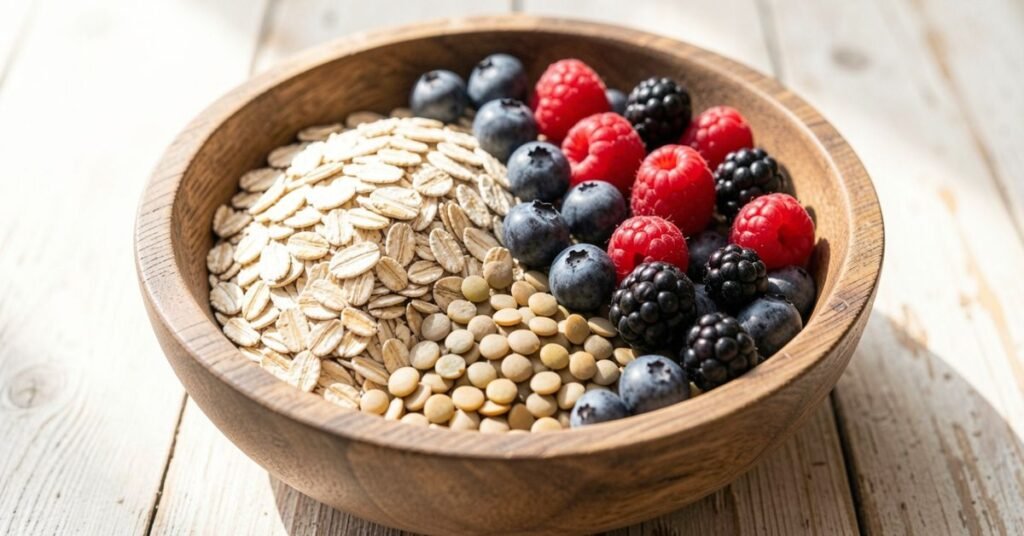
Adding more high-fibre foods to your meals gives your body immediate relief. It keeps your bowel movements regular and prevents unnecessary straining. Over time, a fibre-rich diet helps your swollen veins heal and stops new flare-ups from happening.
Soluble vs Insoluble Fiber
Your body needs two different types of dietary fibre to keep digestion smooth and painless. Both soluble and insoluble fibre work together, but they tackle piles in completely different ways. Knowing how each type works makes it much easier to plan meals for fast relief.
Soluble fibre dissolves in water to form a soft, gel-like substance inside your gut. This gel coats your stool, making it smooth and easy to pass without scraping inflamed tissue. Great sources include oats, apples, beans, and psyllium husk.
Insoluble fibre does not dissolve in water; instead, it adds healthy bulk to your stool. It acts like a broom, moving waste through your intestines quickly so stool does not dry out. You can easily find insoluble fibre in whole wheat products, nuts, carrots, and leafy greens.
Top High Fiber Foods for Piles
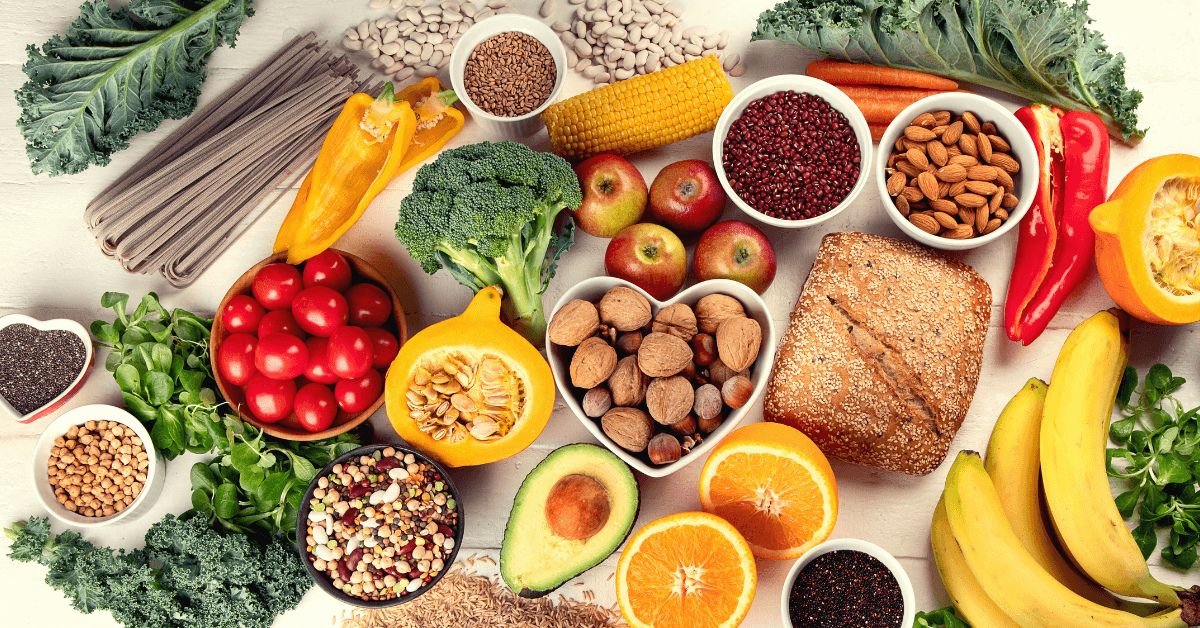
Choosing the right foods can make an immediate difference in managing piles pain. Eating a rich mix of fruits, vegetables, grains, and legumes keeps your stool soft and reduces pressure on sensitive veins. These daily staples deliver maximum fibre with minimal digestive stress.
Pears and apples are among the easiest fruits to add to your diet, especially when eaten with their skin on. Leafy greens like spinach and broccoli pack both fiber and moisture into your gut. Meanwhile, oats and chia seeds form a soothing gel during digestion that allows waste to slide out effortlessly.
Lentils, chickpeas, and black beans offer some of the highest fiber counts per serving. Swapping refined white bread for whole wheat or brown rice gives your intestines the roughage needed to stay regular. Incorporating a dynamic balance of these foods daily protects your lower rectum from painful straining.
Best Grains for Easy Digestion
Whole grains are a fantastic source of gentle, stool-softening fibre. Refined grains like white rice and white flour lose their natural outer shell, making them hard to digest and prone to causing constipation. Replacing them with whole grains adds bulk to your stool, making every bathroom visit much easier and less painful.
Here are the best grains to support gentle digestion and ease piles discomfort:
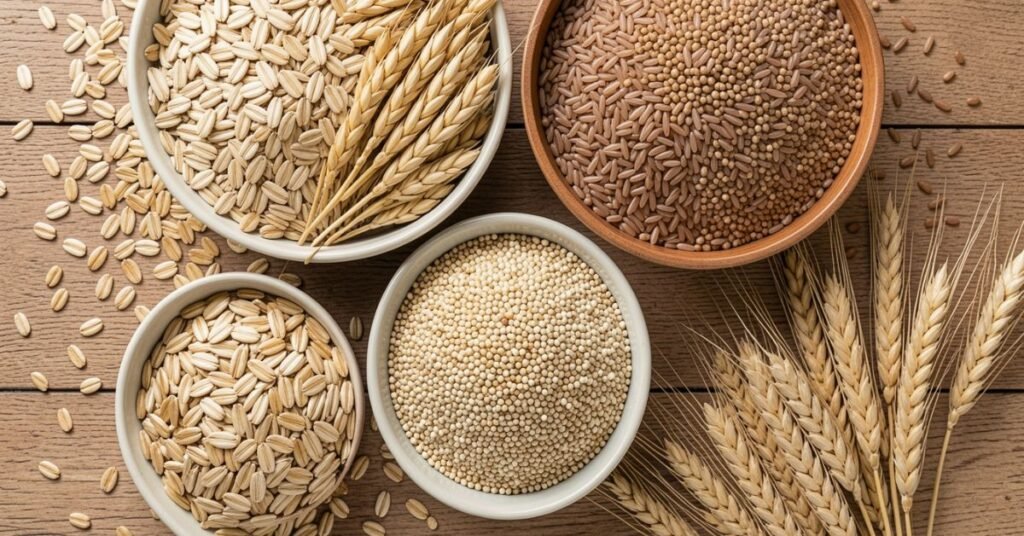
- Oats: Packed with soluble fibre, they absorb water to form a soothing gel in your gut.
- Barley: Rich in beta-glucan fibre, which softens stools and improves overall gut health.
- Brown Rice: Retains its natural bran layer to keep waste moving steadily through your intestines.
- Quinoa: A light, gluten-free seed-grain that provides high fibre without causing heavy bloating.
- Whole Wheat: Contains natural insoluble fibre that adds bulk and prevents straining.
Legumes to Soften Stool
Legumes are some of the absolute best high-fibre foods you can eat when dealing with piles. Beans, lentils, and peas contain a powerful mix of both soluble and insoluble fibre. This combination adds healthy size to your stool while keeping it moist and smooth enough to pass without pain.
When stool stays soft, your intestinal muscles do not have to work as hard. You can pass waste without pushing or straining, which gives inflamed rectal veins time to shrink and heal. Adding even half a cup of cooked legumes to your daily lunch or dinner makes a massive difference in preventing painful constipation.
If you are not used to eating lots of legumes, introduce them into your diet slowly. Drinking plenty of water alongside them helps your stomach process the extra fibre comfortably without causing gas or bloating.
Here is a quick look at the top legumes that help soften stool and ease piles pain:
| Legume | Fibre Content (per cooked cup) | Key Digestion Benefit |
| Lentils | ~15.5 grams | High in soluble fibre to create soft, smooth stools |
| Black Beans | ~15.0 grams | Adds heavy bulk to move waste steadily through the gut |
| Split Peas | ~16.3 grams | Excellent source of gentle roughage to prevent constipation |
| Chickpeas (Garbanzo) | ~12.5 grams | Packed with prebiotic fibre to feed good gut bacteria |
| Kidney Beans | ~11.3 grams | Absorbs moisture in the intestines to stop stools from drying out |
| Pinto Beans | ~15.4 grams | Helps regulate bowel timing and reduces straining |
| Lima Beans | ~13.2 grams | Soft texture that digests easily without triggering gut cramps |
Best Fruits for Piles Relief
Fresh fruits are one of the best natural remedies for piles relief. They are naturally packed with water and dietary fibre, which helps keep your stool soft and easy to pass. Eating fruits regularly prevents hard stools from irritating sensitive veins in your rectum.
Apples and pears are fantastic choices, especially when you eat them with their skin on. Their skins provide insoluble fibre that adds bulk, while the soft inner fruit provides gel-forming soluble fibre. Berries like raspberries and blackberries also deliver a high dose of fibre in every small serving.
Prunes, figs, and citrus fruits offer additional support by drawing moisture into your digestive tract. Prunes contain a natural compound called sorbitol that acts as a mild, safe laxative to stop constipation before it starts. Including a mix of these fruits in your daily meals keeps your digestion smooth and painless.
Fiber-Rich Vegetables
Vegetables are essential for easing piles pain and supporting smooth digestion. They are naturally packed with water and dietary fibre. This healthy combination keeps your stool soft and prevents painful constipation.
Leafy greens like spinach, kale, and broccoli are top choices for daily meals. They contain insoluble fibre, which adds bulk to your stool and speeds up digestion. Eating these greens helps waste pass through your body without rubbing against swollen veins.
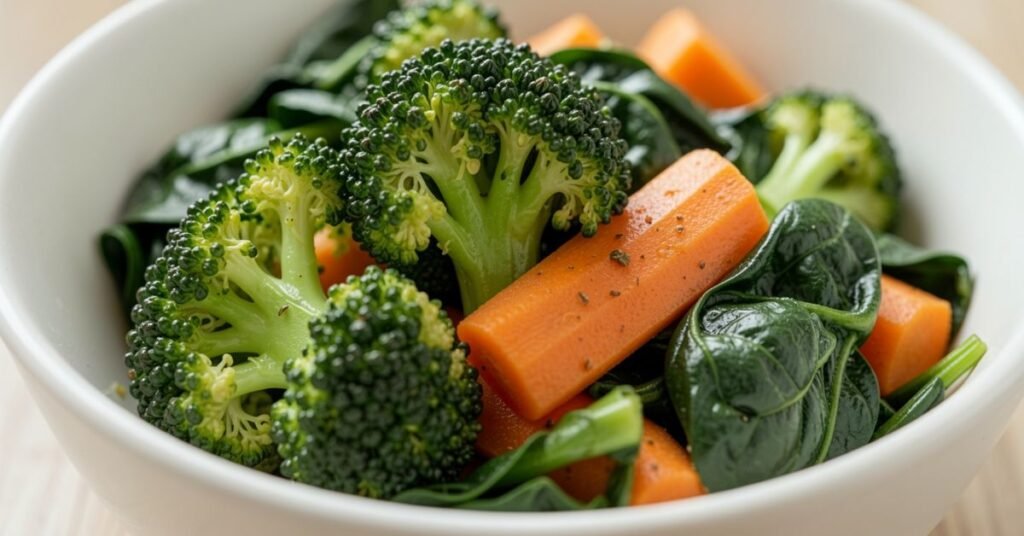
Root vegetables like sweet potatoes, beets, and carrots also offer great benefits. Their skin holds rich fibre that traps water inside your digestive tract. Cooking your vegetables until tender makes them even easier for your stomach to process comfortably.
How Fiber Prevents Straining
Straining during bowel movements is the leading cause of piles flare-ups and rectal pain. When stool is dry and compact, your intestinal muscles have to push harder to move it out. This extra downward pressure forces blood into the delicate veins around your rectum, causing them to swell, ache, and bleed.
Dietary fibre acts as a natural cushion inside your digestive tract to stop this pressure cycle. By drawing moisture into your intestines, fibre adds bulk and keeps waste soft, smooth, and flexible. Soft stool moves effortlessly through the colon, allowing your body to pass waste naturally without forcing or pushing.
Eliminating the need to strain gives inflamed rectal tissues a chance to rest and heal. Over time, reducing this daily pressure prevents swollen veins from reopening during bathroom visits. Eating fibre-rich meals daily ensures your bowel movements remain smooth, painless, and consistent.
Hydration and Fiber
Hydration and dietary fibre must work together to effectively treat and prevent piles. Think of soluble fibre like a sponge inside your stomach. It needs plenty of fluid to absorb so it can expand into a smooth, gelatinous gel that keeps your digestion running without friction.
If you eat high-fibre foods without drinking enough water, your stool can become dense, heavy, and dry. This often leads to painful blockages and worse straining during bathroom trips. Pairing your meals with adequate liquids guarantees that fibre stays soft and pliable as it travels through your intestines.
Drinking 8 to 10 glasses of water daily keeps your gut lubricated and your stools easy to pass. Warm water, clear broths, and herbal teas also help relax intestinal muscles. Maintaining steady daily hydration allows high-fibre foods to do their job, giving sensitive rectal veins the time they need to heal.
Foods to Avoid with Piles
While high-fibre foods help heal piles, certain foods can actively trigger or worsen your symptoms. Foods low in fibre digest slowly and often result in dry, hard stools that are difficult to pass. Avoiding these options prevents unnecessary irritation in your lower digestive tract and stops hemorrhoid flare-ups.
Highly processed foods, refined flour, and fast foods top the list of items to limit or skip. White bread, pastries, and processed meats lack dietary fibre and slow down your overall digestion, leading to painful constipation. Heavy, fatty foods can also delay bowel emptying and cause stomach discomfort.
Spicy dishes, excessive salt, and alcohol can worsen swelling and irritation. Spicy seasonings do not always fully digest, which can cause intense burning during bowel movements. Keeping salt intake low prevents water retention that increases pressure in your veins, while cutting back on alcohol stops your body from dehydrating.
Tips to Add Fiber Safely
Adding fibre to your diet is wonderful for piles, but doing it too quickly can upset your stomach. Increasing your intake all at once often leads to unwanted bloating, gas, and abdominal cramps. The secret to success is making gradual changes over two to three weeks so your digestive system can adapt smoothly.
Start by upgrading one meal at a time rather than changing your entire daily routine at once. Swap white bread for whole grain options, or add a spoonful of chia seeds to your morning yogurt. As your stomach gets used to processing extra roughage, you can slowly introduce more beans, lentils, and fresh vegetables to lunch and dinner.
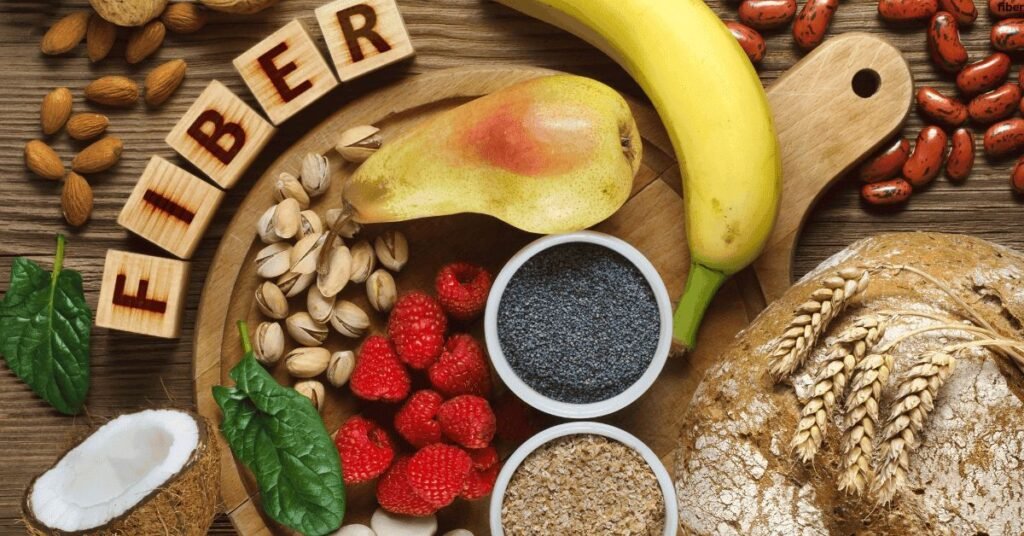
Always drink a full glass of water whenever you eat high-fibre foods or take a fibre supplement. Water helps the fibre swell and move gently through your intestines without sticking. Listening to your body and taking small, consistent steps ensures your bowel movements become soft, regular, and completely painless.
Conclusion
Managing piles effectively starts with simple, daily choices on your dinner plate. Switching to high-fibre foods like whole grains, legumes, fruits, and vegetables keeps your stool naturally soft. Combined with plenty of water, this easy diet change stops straining and lets sensitive tissues heal.
Healing takes time, so remember to make these dietary changes slowly and stay consistent. By pairing a fibre-rich diet with good hydration and avoiding low-fibre trigger foods, you protect your gut long-term. Take control of your digestive health today to enjoy painless, regular bowel movements every day.
FAQs
1. How fast can high-fiber foods relieve piles pain?
They soften stools within 24–48 hours, though vein healing takes a few weeks.
2. Is it safe to take fiber supplements like psyllium husk for piles?
Yes, as long as you drink plenty of water to avoid blockages.
3. Can eating too much fiber make piles symptoms worse?
Yes, adding fibre too quickly without enough water causes bloating and hard stools.
4. Should I eat cooked or raw vegetables when dealing with piles?
Both work well, but cooked vegetables are easier on sensitive stomachs.
5. Which fruit works fastest to soften stool and stop straining?
Prunes work fastest because they contain fibre and natural sorbitol to soften waste.
- 0
- By softplatter964@gmail.com
- July 31, 2026 10:57 AM