
5, Oct 2026
Basil in Spanish Food: Uses, Flavors, and Popular Dishes
Basil is a fragrant herb known for its fresh, slightly sweet, and peppery flavor. It is widely used in Mediterranean cooking. In Spanish food, basil can add a fresh taste and pleasant aroma to many dishes.
A small amount of basil can make a simple meal feel more flavorful. Its bright taste pairs well with tomatoes, vegetables, sauces, and other fresh ingredients. This makes it a useful herb for both everyday meals and special recipes.
In this guide, you will learn about basil in Spanish food and how it is commonly used. We will also explore its flavor, popular dishes, cooking ideas, and simple tips for using it in your kitchen.
What Is Basil?
Basil is a green leafy herb with a fresh and pleasant smell. It has a mild sweet taste with a light peppery touch. The leaves are soft and are often used to add flavor to different foods.
Basil is common in many types of cooking. It can be added to sauces, salads, soups, vegetables, and other dishes. Fresh basil gives food a bright flavor and a fresh aroma.
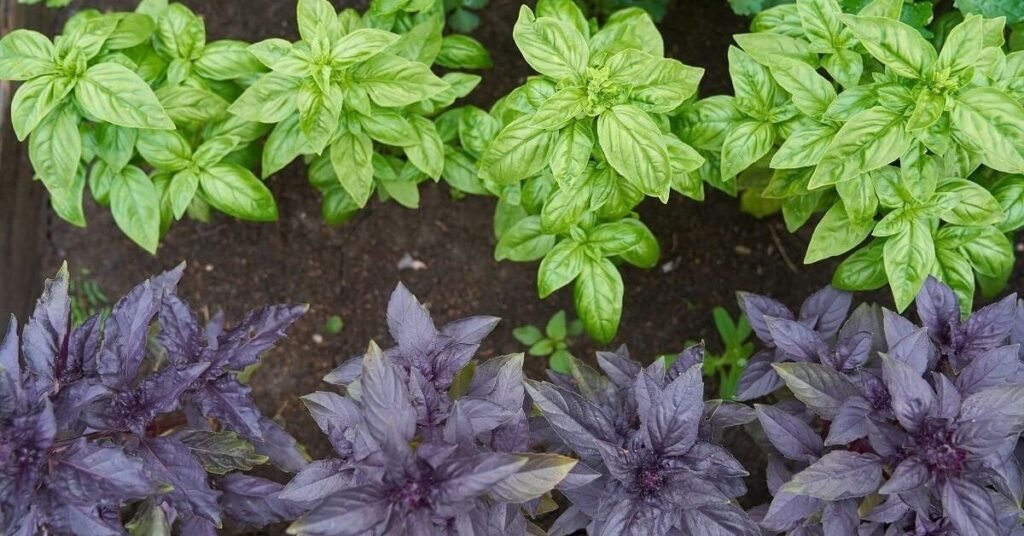
There are different types of basil, but sweet basil is one of the most familiar varieties. It can be used fresh or dried. Fresh leaves usually offer a stronger aroma, while dried basil has a deeper and more concentrated flavor.
Basil in Spanish Food
Basil in Spanish food is used to add a fresh and slightly sweet flavor. It is not as central to traditional Spanish cooking as herbs such as parsley, but it can still be found in modern Spanish recipes. Its bright aroma works well with fresh ingredients.
Basil pairs especially well with tomatoes, garlic, olive oil, and vegetables. It can be chopped and added to salads or used as a finishing herb. It also works nicely in sauces and simple Mediterranean-style dishes.
Today, basil is used in many Spanish-inspired recipes. Cooks may add fresh leaves to give a dish a lighter and more refreshing taste. The herb is usually added toward the end of cooking to help keep its flavor and aroma fresh.
Basil’s Flavor and Aroma
Basil has a fresh and pleasant flavor. Generally, it is slightly sweet with mild peppery notes. Depending on the variety, it may also have hints of mint, clove, or citrus. As a result, basil has a distinctive taste without being too strong.
Fresh basil also has a soft and refreshing aroma. When the leaves are gently torn or chopped, their natural oils release a stronger fragrance. Therefore, the fresh smell can make simple dishes feel more inviting. In addition, its aroma blends well with many fresh ingredients.
The flavor of basil works well with many common ingredients. For example, it pairs nicely with tomatoes, garlic, olive oil, vegetables, and mild cheeses. Moreover, fresh basil is often added near the end of cooking to protect its flavor. Finally, it can be used as a finishing herb to give a dish a fresh and attractive touch.
How Basil Is Used in Spain
Basil is used in Spain mainly for its fresh flavor and aroma. Although it is not one of the most traditional Spanish herbs, it appears in modern Spanish and Mediterranean-style cooking. For example, fresh basil works well with vegetables, tomatoes, olive oil, and light sauces. In addition, it is often added near the end so its delicate flavor stays fresh.
Some common ways to use basil in Spanish-inspired dishes include:
- Salads: Add fresh basil leaves to tomato and vegetable salads. This way, the salad gets a fresh and pleasant flavor.
- Sauces: Mix chopped basil into tomato or herb-based sauces. As a result, the sauce can have a brighter taste.
- Vegetables: Use basil with roasted or grilled vegetables. Also, it pairs well with olive oil and garlic.
- Soups: Add a small amount for a fresh herbal taste. However, add it near the end to keep its aroma.
- Garnish: Place fresh leaves on top of finished dishes. This adds extra color, aroma, and flavor.
Popular Spanish Dishes With Basil
Basil is not a main herb in many traditional Spanish dishes. However, it is often used in modern Spanish and Mediterranean-style recipes. Its fresh taste works especially well with tomatoes, vegetables, garlic, and olive oil. It can give familiar dishes a lighter and more aromatic touch.

Here are some dishes where basil can be used:
| Dish | How Basil Is Used | Flavor Pairings |
| Gazpacho | Add a few chopped leaves as a fresh garnish. | Tomato, cucumber, garlic, olive oil |
| Tomato Salad | Tear fresh basil over sliced tomatoes. | Tomato, onion, olive oil |
| Spanish Vegetable Soup | Add a small amount near the end of cooking. | Vegetables, garlic, herbs |
| Roasted Vegetables | Sprinkle fresh basil over cooked vegetables. | Peppers, zucchini, olive oil |
| Tomato Rice | Stir in chopped basil before serving. | Tomato, rice, garlic |
| Grilled Vegetables | Use basil as a finishing herb. | Peppers, eggplant, zucchini |
| Spanish-Style Pasta | Add basil to a fresh tomato sauce. | Tomato, garlic, olive oil |
Basil is best used in small amounts when preparing these dishes. Fresh leaves can be torn by hand and added just before serving. This helps maintain their aroma and delicate flavor. Dried basil can also work in cooked sauces, but its taste is more concentrated.
Fresh vs. Dried Basil
Fresh basil has a bright and refreshing flavor. Its leaves are soft and fragrant. It works well in salads, sauces, and dishes with fresh vegetables. Fresh basil is usually added near the end of cooking to keep its aroma.
Dried basil has a stronger and more concentrated taste. It is easy to store and can be used throughout the year. It works well in cooked sauces, soups, and baked dishes where the herb has time to release its flavor.
The best choice depends on the recipe. Fresh basil is ideal when you want a light and fresh taste. Dried basil is more convenient for longer cooking. Both can add a pleasant herbal flavor when used in the right amount.
Basil and Spanish Sauces
Basil can add a fresh and fragrant taste to many Spanish-inspired sauces. Its mild sweetness works especially well with tomatoes, garlic, olive oil, and vegetables. Fresh basil can brighten a simple sauce without making the flavor too heavy.
Basil is often added near the end of cooking. This helps protect its fresh aroma and delicate taste. You can also tear a few leaves over the sauce just before serving. Dried basil can be used in sauces that cook for a longer time.
For a balanced flavor, start with a small amount of basil. You can add more if needed. It works well in tomato sauces, vegetable sauces, and other Mediterranean-style preparations. Fresh basil can also be used as a simple garnish before serving.
Basil With Tomatoes
Basil and tomatoes make a simple and flavorful combination. Tomatoes have a juicy and slightly tangy taste. Basil adds a fresh and mildly sweet flavor. Together, they create a balanced taste that works well in many dishes.
Fresh basil can be added to sliced tomatoes for a quick salad. It also works well in tomato sauces, soups, and vegetable dishes. A little olive oil and garlic can bring these flavors together and create a simple Mediterranean-style dish.
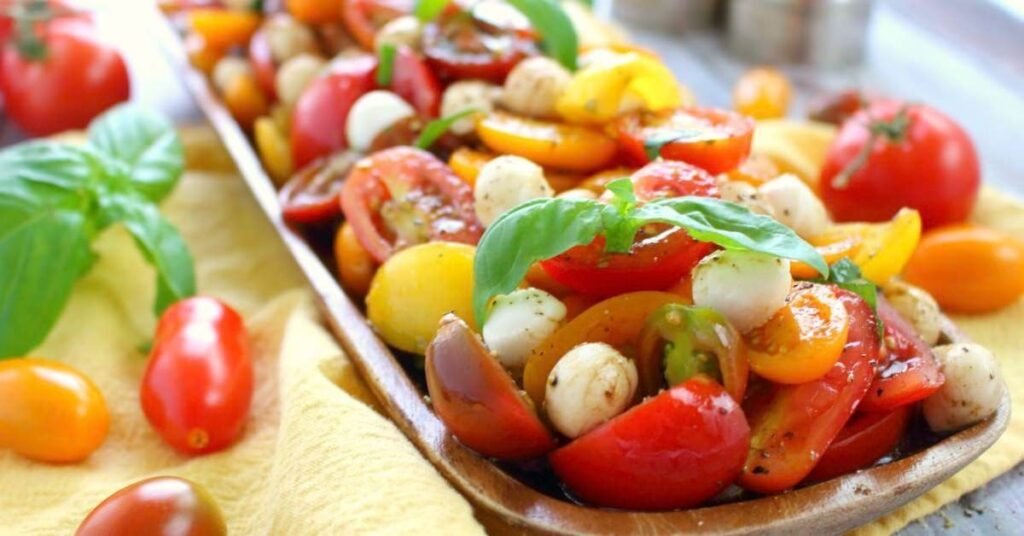
For the best flavor, add fresh basil near the end of cooking. You can also tear the leaves by hand and place them over the finished dish. Avoid cooking fresh basil for too long, as its fresh aroma can become weaker.
Basil in Spanish Salads
Basil can add a fresh and fragrant touch to Spanish-style salads. Its mild sweetness pairs well with juicy tomatoes, crisp vegetables, and olive oil. Fresh basil leaves can make a simple salad taste brighter without adding a heavy flavor.
Try adding torn basil leaves to salads with tomatoes, cucumbers, peppers, or onions. A simple dressing made with olive oil and a little vinegar can bring the ingredients together. Basil also works well with mild cheeses and other fresh Mediterranean ingredients.
For the best taste, add basil just before serving. Use fresh leaves and tear them gently instead of chopping them too finely. Start with a small amount, then add more if you want a stronger herbal flavor.
Best Herbs to Pair With Basil
Basil pairs well with herbs that have fresh and mild flavors. Parsley is a good choice because it adds a clean taste without overpowering basil. Oregano can also work well, especially in tomato-based sauces and vegetable dishes.
Cilantro can add a fresh and slightly bold flavor when used in small amounts. Thyme is another useful option for cooked dishes. It has a warm herbal taste that can balance the sweetness of basil.
When combining herbs, use small amounts at first. Too many strong herbs can hide the fresh taste of basil. For simple Spanish-inspired dishes, basil with parsley, oregano, or thyme can create a pleasant balance.
How to Cook With Basil
Basil is easy to use in everyday cooking. Fresh leaves can be washed gently and added whole or torn into smaller pieces. They work well in salads, sauces, soups, vegetables, and tomato-based dishes. Start with a small amount and add more if needed.
Fresh basil is usually best added near the end of cooking. Long cooking can reduce its fresh aroma and delicate flavor. For sauces and warm dishes, stir in the basil shortly before serving. You can also place a few fresh leaves on top as a simple garnish.
Dried basil is better suited to dishes that cook for a longer time. Add it early enough to let its flavor blend with the other ingredients. Basil also pairs well with garlic, tomatoes, olive oil, and vegetables, making it easy to include in many Spanish-inspired meals.
Tips for Using Fresh Basil
Fresh basil can add a bright flavor and pleasant aroma to many dishes. Wash the leaves gently before using them. Pat them dry with a clean towel. Tear the leaves by hand when possible to keep their texture and fresh smell.
Add fresh basil near the end of cooking. This helps protect its delicate flavor. It can also be placed on top of salads, sauces, vegetables, and tomato dishes just before serving. Use a small amount first, then add more to suit your taste.
Store unused basil carefully to help keep it fresh. Avoid crushing the leaves before you need them. Use fresh basil soon after buying or picking it for the best flavor and aroma.
Storing Basil for Freshness
Fresh basil needs gentle care because its leaves can wilt quickly. Keep the stems in a glass or jar with a little water. Store it at room temperature and loosely cover the leaves with a bag. Change the water when it becomes cloudy.
Avoid storing fresh basil in the refrigerator for long periods. Cold temperatures can cause the leaves to darken and lose their fresh texture. Keep the basil away from direct sunlight and strong heat.
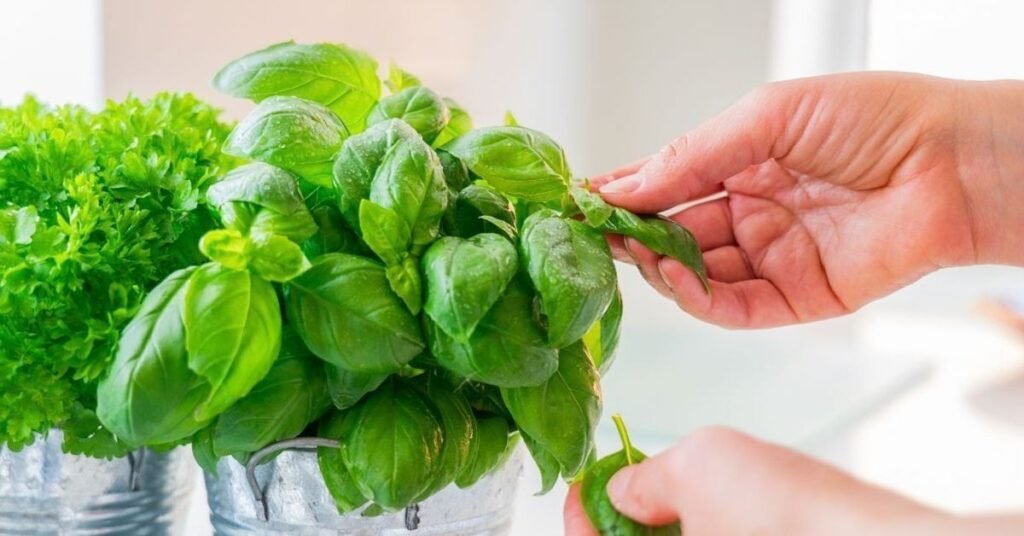
You can also dry basil if you want to keep it for longer. Once completely dry, store the leaves in an airtight container. Keep the container in a cool, dark, and dry place. This helps protect the herb’s flavor and aroma.
Conclusion
Basil can bring a fresh and pleasant flavor to Spanish-inspired dishes. It pairs well with tomatoes, vegetables, garlic, and olive oil. Fresh basil is especially useful in salads, sauces, and simple meals.
Using basil is easy when you start with a small amount. Add fresh leaves near the end of cooking to keep their aroma. With proper storage, basil can stay useful for many meals and add a bright touch to your cooking.
FAQs
1. Is basil commonly used in Spanish food?
Basil is not a main traditional Spanish herb, but it is used in modern Spanish and Mediterranean-style dishes.
2. What foods pair well with basil?
Basil pairs well with tomatoes, garlic, olive oil, vegetables, and mild cheeses.
3. Can I use dried basil instead of fresh basil?
Yes, dried basil can replace fresh basil in cooked dishes. Use less because its flavor is more concentrated.
4. When should I add fresh basil to a dish?
Add fresh basil near the end of cooking or just before serving to preserve its fresh flavor and aroma.
5. How should I store fresh basil?
Keep basil stems in a glass of water at room temperature and loosely cover the leaves to help maintain freshness.
- 1
- By softplatter964@gmail.com
- October 5, 2026 11:06 AM
-
Pingback: 25 Best Indian Food Recipes for Every Meal - softplatter.com