
4, Sep 2026
10 Best Meal Prep Containers for Easy Weekly Meal Planning
Meal prep containers are useful boxes that help you store, organize, and carry prepared food. They come in different sizes, shapes, and materials. Some are made for the fridge, freezer, microwave, or even the dishwasher.
Good meal prep can save time during busy days. But the right container can make the whole process much easier. No one wants leaky boxes or containers that take up too much space. Choosing the right ones can keep your meals fresh and your kitchen more organized.
In this guide, we’ll look at the 10 best meal prep containers for simple weekly meal planning. You’ll find options for different needs, including portion control, easy storage, and everyday use.
Why Meal Prep Containers Are Useful
Meal prep containers make storing food simple and organized. They help keep cooked meals, snacks, and ingredients in separate portions. With the right containers, your fridge can also look neat and easy to manage.
They are helpful when life gets busy. You can prepare meals ahead of time and store them for later. This can save time on busy mornings and reduce the need to cook every day.
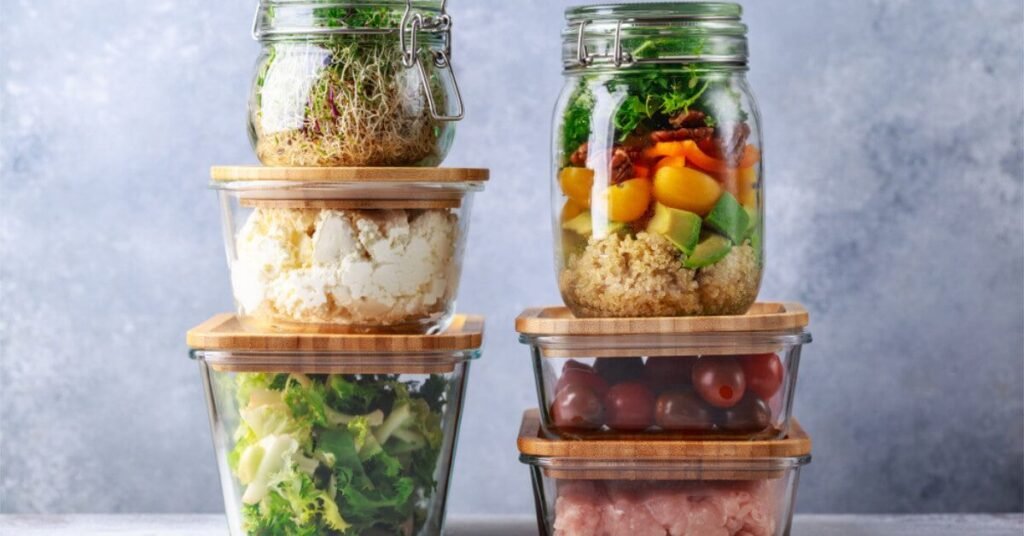
Good containers can also make meal planning easier. Look for options that are durable, easy to clean, and safe for everyday use. Leak-resistant lids and stackable designs are also useful for storing and carrying meals.
Features to Look For
When choosing meal prep containers, start with the material. Glass is sturdy and easy to clean. Plastic is usually lighter and convenient for carrying meals.
A secure lid is also important. Look for containers with leak-resistant or tight-fitting lids. This helps prevent spills in lunch bags and refrigerators.
Size and shape matter too. Choose containers that fit your meal portions and storage space. Stackable designs can save room in the fridge. Dishwasher-safe containers can also make cleanup much easier.
Best Meal Prep Containers
The best meal prep containers should make your daily routine easier. Choose ones that are strong and simple to use. They should also fit comfortably in your fridge, lunch bag, or kitchen cabinet.
Glass containers are a good choice for home use. They are sturdy and easy to clean. Plastic containers are lighter and often better for carrying meals to work or school. Both options can work well when chosen carefully.
Look for containers with secure lids and useful sizes. Stackable designs can save space in your kitchen. It is also helpful to choose containers that are easy to wash and suitable for your usual storage needs.
Glass vs. Plastic
Glass and plastic containers both have useful features. Glass is strong and easy to clean. It is a good choice for home meal prep. Plastic containers are lighter and easier to carry. They work well for work lunches, school meals, and travel.
Consider these points when choosing between them:
- Glass: Durable, sturdy, and easy to clean.
- Plastic: Lightweight and convenient for carrying.
- Glass: Take more care when being transported.
- Plastic: Usually easier to stack and pack.
- Both: Can be found in different sizes and shapes.
The best option depends on how you plan to use your containers.
Best Containers for Portion Control
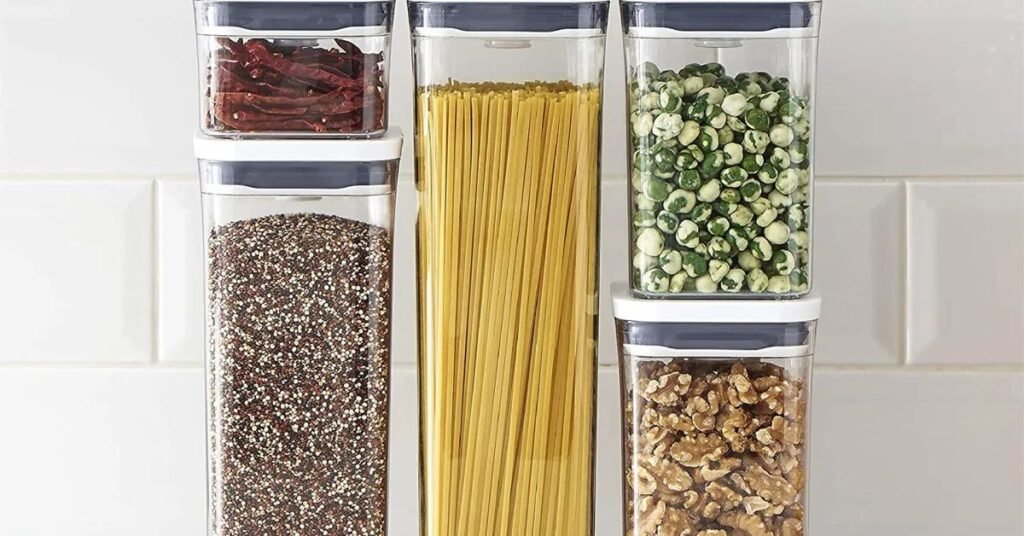
Portion-friendly containers make meal planning easier. They help you divide food into clear servings before you eat. Choose different sizes for breakfast, lunch, snacks, and dinner. Smaller sections can also keep foods like vegetables, grains, and proteins separate.
| Container Type | Best For | Main Benefit |
| Small container | Snacks and fruits | Helps manage small portions |
| Medium container | Breakfast or lunch | Good for everyday meals |
| Large container | Dinner and full meals | Holds larger servings |
| Divided container | Complete meals | Keeps foods separate |
| Stackable container | Weekly meal prep | Saves storage space |
When choosing a container, think about your normal serving sizes and daily routine. Clear containers can make it easier to see what you have prepared. Divided options are useful when you want separate spaces for different foods. A mix of sizes can give you more flexibility throughout the week.
Best Containers for Freezing
Freezer-friendly containers are useful for storing meals ahead of time. Choose containers that are made for cold temperatures. A secure lid can help protect food from freezer air and reduce messy spills. Leave a little space at the top when storing foods that may expand as they freeze.
Look for containers that are strong, easy to label, and simple to stack. Flat or stackable shapes can save valuable freezer space. Glass and quality plastic can both work well, but always check the product instructions before freezing.
When choosing containers for the freezer, consider these features:
- Freezer-safe material
- Tight-fitting lid
- Stackable design
- Easy-to-clean surface
- Suitable size for your meals
- Room for food expansion
Best Containers for Microwaving
Microwave-safe containers make reheating meal-prepped food quick and easy. Choose containers that are clearly labeled as microwave-safe. Glass containers are a popular option for reheating at home. Some plastic containers are also suitable, but always follow the maker’s instructions.
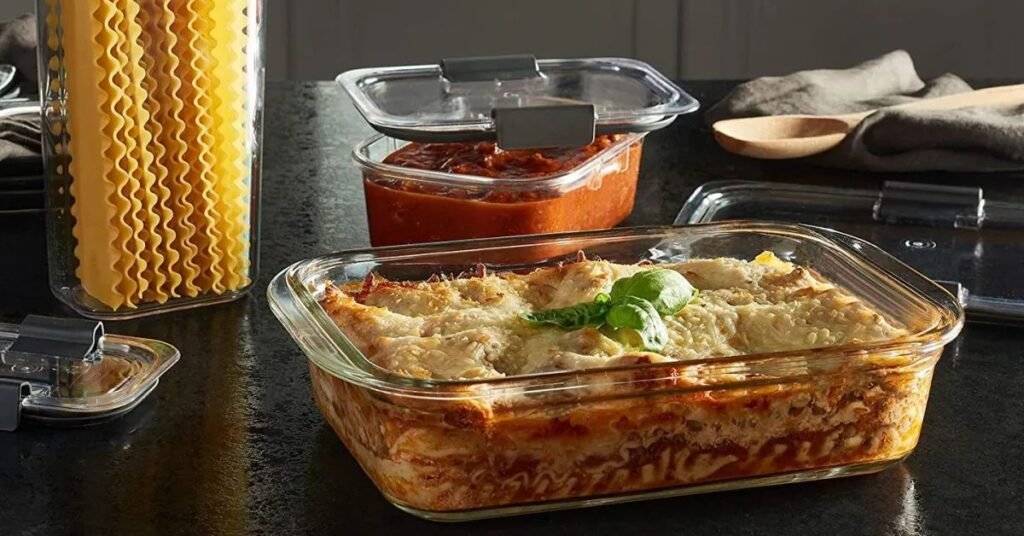
A good microwave container should be practical and easy to use. Check that the lid has a safe way to release steam, or remove it slightly before heating when the instructions allow it. Also, avoid using containers that are cracked, damaged, or not designed for microwave use.
Stackable Containers for Small Spaces
Stackable containers are a smart choice when kitchen space is limited. They can sit neatly on top of each other without taking up extra room. This keeps your fridge, freezer, and cabinets more organized.
Choose containers with flat lids and matching shapes. They are easier to stack and store. Clear containers can also help you see your prepared meals quickly. This makes busy meal prep days much easier.
For small kitchens, look for containers that are compact but still hold enough food. A set with different sizes can handle meals, snacks, and leftovers. Good stackable containers can help you save space while keeping your food ready for the week.
Easy-to-Clean Container Options
Easy-to-clean containers can make meal prep less stressful. Choose containers with smooth surfaces and simple designs. They are less likely to hold food stains, grease, or strong smells.
Dishwasher-safe containers are a convenient choice for busy days. They can save time after meals are finished. Glass containers are also easy to wash and work well for foods with sauces or spices.
Avoid containers with too many small corners or hard-to-reach areas. These spots can collect leftover food. Simple shapes, removable lids, and secure but easy-to-clean seals can make daily cleanup much easier.
Choosing the Right Size
Choosing the right size makes meal prep easier. For example, small containers are useful for snacks, fruits, sauces, and side dishes. Meanwhile, medium containers work well for lunches and simple meals. For larger meals, large containers are better for bigger portions and full dinners.
Before choosing a container, think about how much food you usually prepare. Avoid containers that are too small because food can become crowded. On the other hand, very large containers can take up extra space in your fridge. Therefore, having a variety of sizes gives you more flexibility.
In addition, consider your available storage space. Choose containers that fit neatly in your fridge, freezer, and lunch bag. Finally, stackable shapes can save space and make weekly meal prep more organized.
Meal Prep Storage Tips
First, store prepared meals in clean, dry containers with secure lids. Then, let hot food cool slightly before sealing and placing it in the fridge. This way, you can reduce extra moisture and keep your meals in better condition.
Next, label your containers with the meal name and date. Also, keep older meals toward the front so you can use them first. As a result, your meals will be easier to find and reheat during busy days.
Finally, keep your fridge organized by grouping similar meals together. In addition, avoid overfilling containers, especially when freezing food that may expand. With these simple tips, your weekly meal prep can stay fresh, neat, and easy to manage.
Smart Tips for Better Meal Prep
Plan your meals before you start cooking. Choose recipes that use simple ingredients and are easy to store. Preparing several meals at once can save time during busy weekdays.
Use the right container for each type of food. Keep sauces and dressings separate when possible. Let food cool properly before storing it, and always use clean containers.
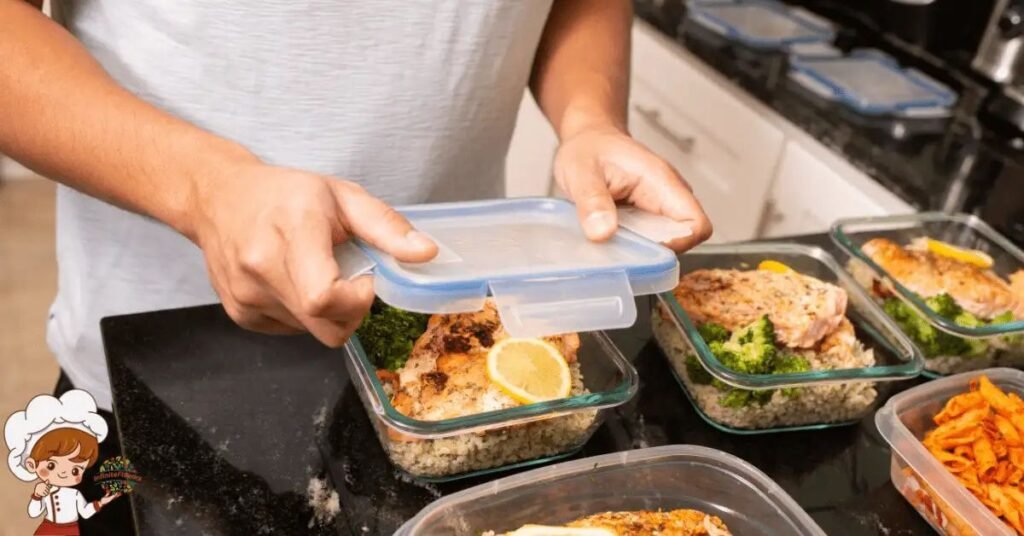
Keep your meal prep routine simple. Label containers with dates so older meals are easy to use first. A little planning can make your fridge more organized and your weekly meals much easier to manage.
Conclusion
The right meal prep containers can make weekly planning much easier. Choose containers that fit your meals, storage space, and daily routine. Glass, plastic, stackable, and divided options can all be useful.
Focus on strong materials, secure lids, and easy cleaning. Keep your meals organized and stored properly. With a few good containers, meal prep can become a simple part of your weekly routine.
FAQs
1. What are the best meal prep containers?
Glass and durable plastic containers are popular choices. Look for secure lids, useful sizes, and easy cleaning.
2. Are glass containers better than plastic?
Glass is sturdy and easy to clean, while plastic is lighter and easier to carry. The best choice depends on your needs.
3. Can meal prep containers go in the freezer?
Yes, if they are labeled freezer-safe. Leave some space for foods that may expand when frozen.
4. How many meal prep containers do I need?
A set of 5 to 10 containers is a good starting point for weekly meal prep. Choose different sizes for meals and snacks.
5. What size container is best for meal prep?
Medium containers work well for most meals. Small and large containers are useful for snacks, sides, and bigger portions.
- 1
- By softplatter964@gmail.com
- September 4, 2026 11:23 AM
-
Pingback: How to Make Soup Stock Using Chicken and Vegetables - softplatter.com