
23, Aug 2026
The Best Gluten Free Pizza Crust Recipe for a Perfect Pizza Night
The Best Gluten Free Pizza Crust Recipe for a Perfect Pizza Night is an easy way to make delicious pizza without using traditional wheat flour. A gluten-free pizza crust is made with gluten-free ingredients that create a tasty, crispy, and satisfying base for your favorite toppings.
Finding a gluten-free pizza crust that is soft inside and crispy outside can be challenging. Many homemade versions turn out dry or crumbly, but this recipe helps you make a crust that everyone can enjoy. It is perfect for family dinners, weekend meals, or a fun homemade pizza night.
In this guide, you will learn how to prepare the best gluten free pizza crust recipe with simple ingredients and easy steps. Whether you follow a gluten-free diet or just want to try something new, this recipe will help you create a delicious pizza at home.
Why Choose Gluten Free Pizza Crust?
A gluten free pizza crust is a great choice for people who avoid gluten or want to try a different type of pizza base. It is made without wheat flour and uses gluten-free ingredients instead. This allows more people to enjoy a delicious homemade pizza without changing their dietary needs.

Many people choose gluten free pizza crust because it can be light, flavorful, and easy to customize. With the right ingredients and preparation, it can have a crispy outside and a soft center. It also works well with different sauces, cheeses, and toppings.
Making your own gluten free pizza crust at home gives you control over the ingredients you use. You can adjust the texture, flavor, and thickness based on your preference. It is a simple way to create a fresh pizza that fits your lifestyle and tastes great.
Gluten Free Pizza Crust Recipe Ingredients
Making a gluten free pizza crust starts with choosing the right ingredients. Gluten-free flour is the main ingredient that creates the base of the crust. A good flour blend can help achieve a texture that is soft, flexible, and easy to bake.
Other common ingredients include yeast, water, olive oil, salt, and a small amount of sweetener if needed. Yeast helps the crust rise, while olive oil adds flavor and improves the texture. Salt balances the taste and brings out the flavors of the dough.
The quality of ingredients can make a big difference in the final result. Always choose certified gluten-free products to avoid unwanted gluten exposure. Using fresh ingredients and the correct measurements will help you create a homemade pizza crust that is tasty and satisfying.
Best Flour for Gluten Free Pizza
Choosing the right flour is an important step when making a gluten free pizza crust. Regular wheat flour cannot be used, so gluten-free alternatives are needed to create the perfect texture. The right flour blend can help make a crust that is soft, crispy, and easy to handle.
Popular options include rice flour, almond flour, tapioca flour, and gluten-free all-purpose flour blends. Rice flour gives the crust a light texture, while almond flour adds moisture and a slightly nutty flavor. Tapioca flour helps improve stretch and creates a crispier finish.
For the best results, many recipes use a combination of different gluten-free flours instead of just one type. A balanced blend helps replace the role of gluten and creates a pizza crust that holds together well. Always check the label to make sure the flour is certified gluten-free.
How to Make Gluten Free Pizza Crust
Making a gluten free pizza crust at home is simple with the right ingredients and steps. Start by mixing your gluten-free flour, yeast, salt, water, and olive oil to create a smooth dough. Let the dough rest so it can develop better texture and flavor before baking.
Follow these basic steps for a homemade crust:
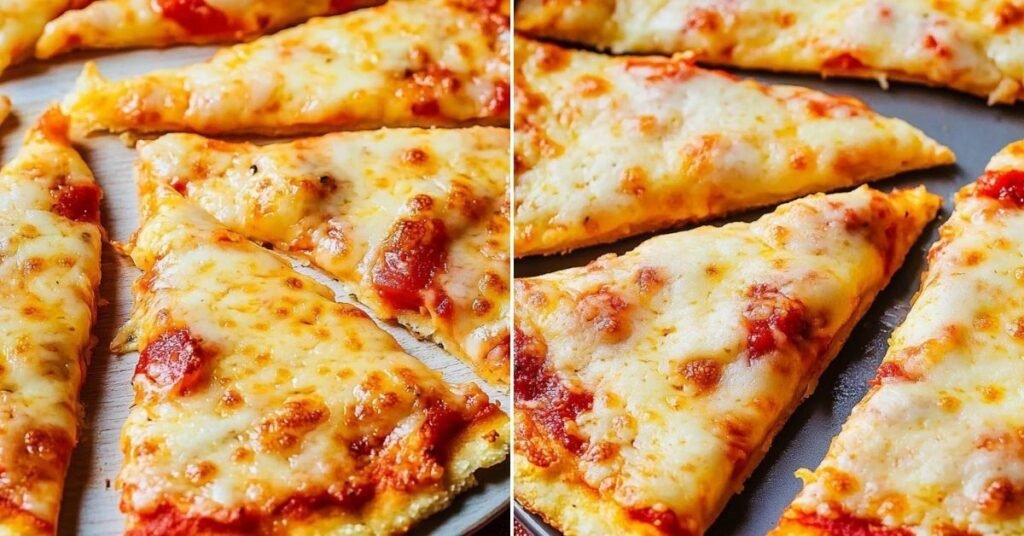
- Mix the dry ingredients in a bowl.
- Add water and oil, then combine into a dough.
- Let the dough rest for a better texture.
- Shape the crust on a baking sheet.
- Bake until the edges become golden and crispy.
A well-prepared gluten free pizza crust should be firm enough to hold toppings but soft enough to enjoy. Baking time may vary depending on the thickness of the crust and your oven temperature.
Tips for Crispy Pizza Crust
Getting a crispy gluten free pizza crust can be tricky, but a few simple techniques can make a big difference. The right balance of ingredients, proper baking temperature, and good preparation methods help create a crust with a crunchy outside and soft inside.
Here are some helpful tips to improve your pizza crust:
| Tip | How It Helps |
| Use the right flour blend | A balanced gluten-free flour mix improves texture and prevents the crust from becoming too dry or crumbly. |
| Preheat your oven properly | A hot oven helps the crust cook quickly and creates a crispier base. |
| Avoid adding too much liquid | Extra moisture can make the crust soft instead of crispy. |
| Use a baking stone or hot baking tray | A heated surface helps the bottom of the crust become golden and crunchy. |
| Roll the dough evenly | An even crust allows all areas to bake properly without undercooked spots. |
| Bake the crust before adding toppings | Pre-baking helps create a stronger base that holds toppings better. |
| Add toppings in moderation | Too many toppings can release moisture and make the crust soggy. |
Small adjustments can greatly improve the final result. Letting the crust bake fully and giving it enough time to develop color will help you achieve a delicious crispy pizza base every time. These simple tips make homemade gluten free pizza more enjoyable and easier to prepare.
Common Crust Making Mistakes
Making gluten free pizza crust can be easy, but some common mistakes can affect the final texture. Using the wrong flour ratio, adding too much liquid, or skipping the resting time can make the crust dry, dense, or difficult to shape.
One common mistake is not measuring ingredients correctly. Gluten-free dough needs the right balance to hold together properly. Another mistake is baking at a low temperature, which can result in a soft crust instead of a crispy one.
Avoiding these simple errors can help you create a better pizza base. Always follow the recipe carefully, use quality gluten-free ingredients, and give the dough enough time to prepare. With practice, you can make a crust that is flavorful, crispy, and satisfying.
Perfect Gluten Free Pizza Texture
Creating the perfect gluten free pizza texture requires the right balance of ingredients and baking methods. A good crust should be crispy on the outside while staying soft and slightly chewy inside. It should also be strong enough to hold your favorite toppings without breaking.
The texture depends on the type of flour blend, moisture level, and baking time. Using a mix of gluten-free flours can improve the structure of the dough. Adding ingredients like olive oil can also help create a smoother and more enjoyable crust.
A well-made gluten free pizza crust should feel light, flavorful, and easy to eat. Avoid making the dough too dry or too wet, as both can change the final result. With the right preparation, you can enjoy a homemade crust that feels just like traditional pizza.
Best Toppings for Gluten Free Pizza
Choosing the right toppings can make your gluten free pizza even more delicious. Fresh ingredients add flavor, color, and texture to the crust. You can create a simple classic pizza or try different combinations based on your taste preferences.
Some popular gluten free pizza topping ideas include:
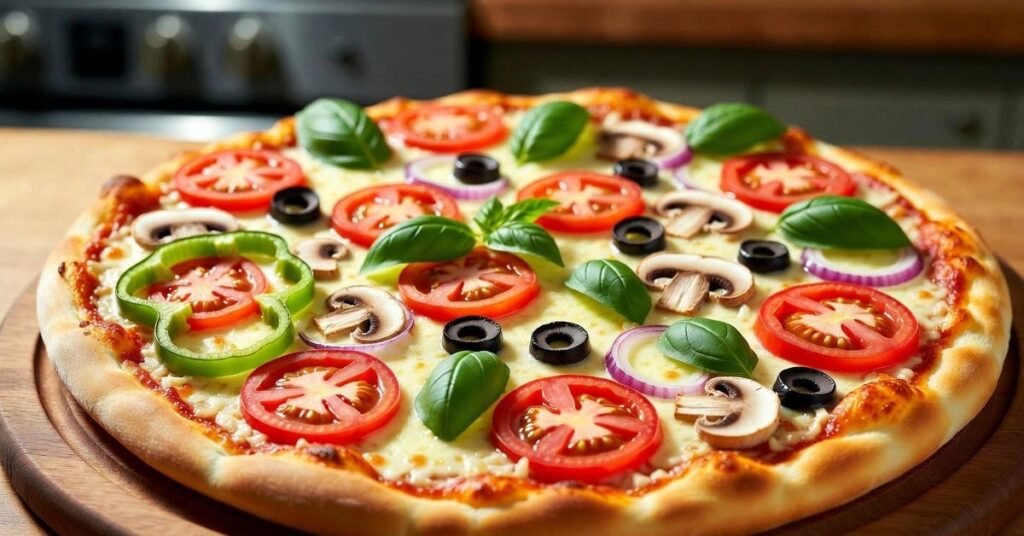
- Fresh mozzarella and basil for a classic flavor.
- Mushrooms, peppers, and onions for a veggie option.
- Grilled chicken with spinach for a protein-rich topping.
- Tomatoes and herbs for a fresh taste.
- Olives and roasted vegetables for extra flavor.
Always check that your toppings are certified gluten-free, especially sauces, processed meats, and packaged ingredients. Adding too many toppings can make the crust soft, so use a balanced amount. The right combination of toppings will help you enjoy a flavorful pizza with a perfectly baked crust.
Storing Homemade Pizza Crust
Proper storage helps maintain the taste and texture of your homemade gluten free pizza crust. Always allow the crust to cool completely before storing it. This prevents extra moisture from making the crust soft or soggy.
For short-term storage, keep the crust in an airtight container or wrap it tightly with plastic wrap. You can store it in the refrigerator for a few days. If you want to keep it longer, freezing is a great option to preserve its quality.
When you are ready to use the stored crust, reheat it in the oven for the best results. A few minutes of baking can help bring back its crispy texture. Proper storage allows you to enjoy fresh-tasting gluten free pizza anytime.
Easy Gluten Free Crust Variations
Gluten free pizza crust can be made in different styles by changing the ingredients and preparation methods. These variations allow you to enjoy new flavors while keeping the crust free from gluten. You can choose a recipe based on your taste, texture preference, or dietary needs.
A few popular options include almond flour crust for a nutty flavor, cauliflower crust for a lighter choice, and herb-infused crust for extra taste. You can also make a thin and crispy version by adjusting the dough thickness and baking time.
Experimenting with different gluten free crust variations makes homemade pizza more enjoyable. Small changes in ingredients can create a completely different pizza experience. Whether you prefer a soft, crispy, or flavorful base, there is a gluten free crust style for everyone.
Gluten Free Pizza Crust Benefits
Gluten free pizza crust offers a tasty option for people who avoid gluten or prefer gluten-free meals. It allows more people to enjoy homemade pizza without using traditional wheat-based ingredients. With the right recipe, it can provide great flavor and a satisfying texture.
One benefit of making your own gluten free crust is having control over the ingredients. You can choose high-quality flours, adjust the flavors, and add toppings that fit your preferences. Homemade crusts can also be customized to create different textures, from soft and chewy to crispy.
A gluten free pizza crust can be a delicious addition to a balanced lifestyle when prepared with wholesome ingredients. It gives you the freedom to enjoy a classic comfort food while exploring new flavors and recipes. With simple ingredients and proper preparation, gluten free pizza can be both enjoyable and satisfying.
Final Thoughts
Making a gluten free pizza crust at home is easier than many people think. With the right ingredients, simple techniques, and proper baking methods, you can create a crust that is crispy, flavorful, and enjoyable.
This recipe gives you the flexibility to choose your favorite flour, toppings, and crust style. Whether you prefer a thin and crispy base or a softer texture, small adjustments can help you achieve the perfect result.
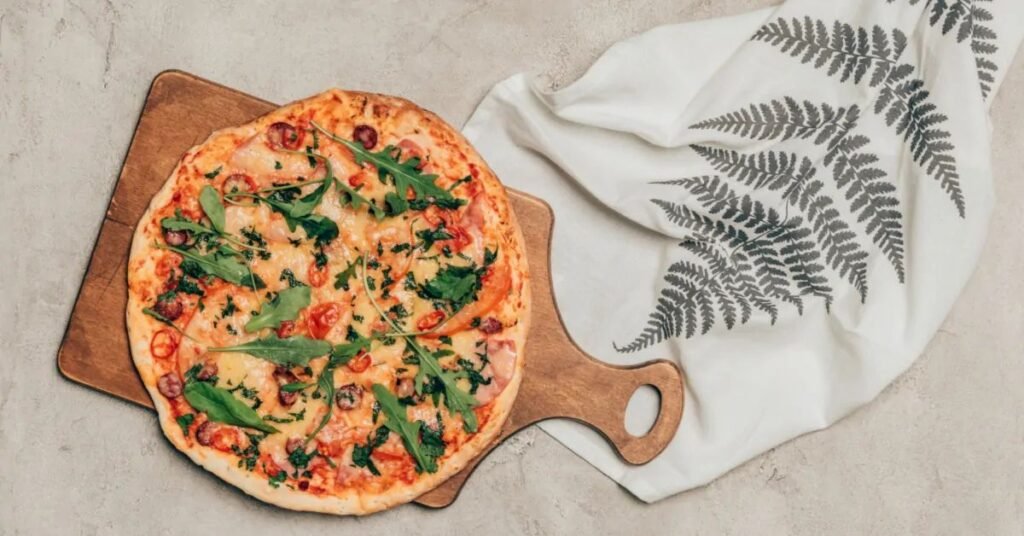
A homemade gluten free pizza crust is a great way to enjoy a classic favorite while meeting your dietary needs. Try different variations, experiment with flavors, and create a pizza that everyone at the table can enjoy.
Conclusion
Making the best gluten free pizza crust recipe at home can be simple and rewarding. With the right ingredients and easy steps, you can create a crust that is crispy, flavorful, and perfect for your favorite toppings. It is a great option for anyone looking for a gluten-free pizza experience.
A homemade gluten free pizza crust gives you the chance to enjoy fresh pizza made your way. You can try different flours, toppings, and textures to find your favorite style. With a little practice, you can make a delicious pizza crust for any pizza night.
FAQs
1. What is gluten free pizza crust made of?
Gluten free pizza crust is usually made with gluten-free flours like rice flour, almond flour, or gluten-free flour blends instead of wheat flour.
2. How do I make gluten free pizza crust crispy?
Use the right flour balance, preheat your oven, and bake the crust on a hot surface for a crispier texture.
3. Can I freeze homemade gluten free pizza crust?
Yes, you can freeze the crust after cooling it completely. Store it in an airtight container or freezer bag for later use.
4. Why does my gluten free pizza crust fall apart?
The crust may break if the dough lacks moisture or the ingredients are not properly balanced. Using a good gluten-free flour blend can help.
5. Is gluten free pizza crust healthier than regular crust?
Gluten free pizza crust can be a good choice for people avoiding gluten, but its overall nutrition depends on the ingredients used.
- 1
- By softplatter964@gmail.com
- August 23, 2026 10:22 AM
-
Pingback: Best Low Calorie Breakfast Recipes for Busy Mornings - softplatter.com