
18, Aug 2026
Baking Tips for Beginners: Easy Ways to Bake Better
Baking is the process of cooking food with dry heat, usually in an oven. It is used to make cakes, cookies, bread, muffins, and many other treats. Good baking needs the right ingredients, measurements, temperature, and timing.
Have you ever followed a recipe but still ended up with a dry cake or hard cookies? Small mistakes can change the final result. The good news is that baking becomes easier with a few simple tips and some practice.
In this guide, you will find useful baking tips for beginners. We will cover simple ways to measure ingredients, prepare your oven, mix your batter, and avoid common mistakes. These tips can help you bake with more confidence and get better results at home.
Why Baking Is Worth Learning
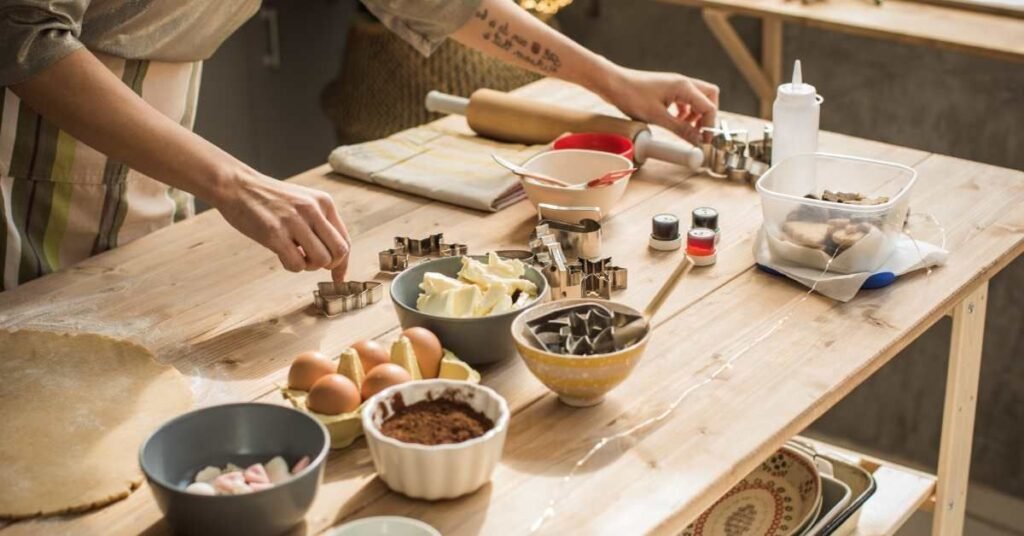
Baking is a useful skill that anyone can learn. You do not need to be an expert to start. With a few basic ingredients and simple tools, you can make cakes, cookies, bread, and other treats at home.
Learning to bake can also help you save money. Homemade food gives you more control over the ingredients and flavors. You can adjust the sweetness, add your favorite ingredients, and make each recipe your own.
Baking can be relaxing and enjoyable too. It gives you a chance to try new recipes and improve with practice. Once you understand the basics, you can bake with more confidence and avoid many common mistakes.
Basic Baking Tips for Beginners
Start with simple recipes when you are new to baking. Read the full recipe before you begin. Gather all the ingredients and tools first. This keeps the process easy and helps you avoid missing an important step.
Measure your ingredients carefully. Baking depends on the right balance of flour, sugar, butter, eggs, and other ingredients. Use proper measuring tools and follow the recipe instead of guessing. Also, check that your oven is fully preheated before baking.
Do not rush the baking process. Follow the mixing time and baking temperature given in the recipe. Avoid opening the oven too often while your food is baking. With regular practice, you will learn how different ingredients and techniques affect the final result.
Essential Baking Tools
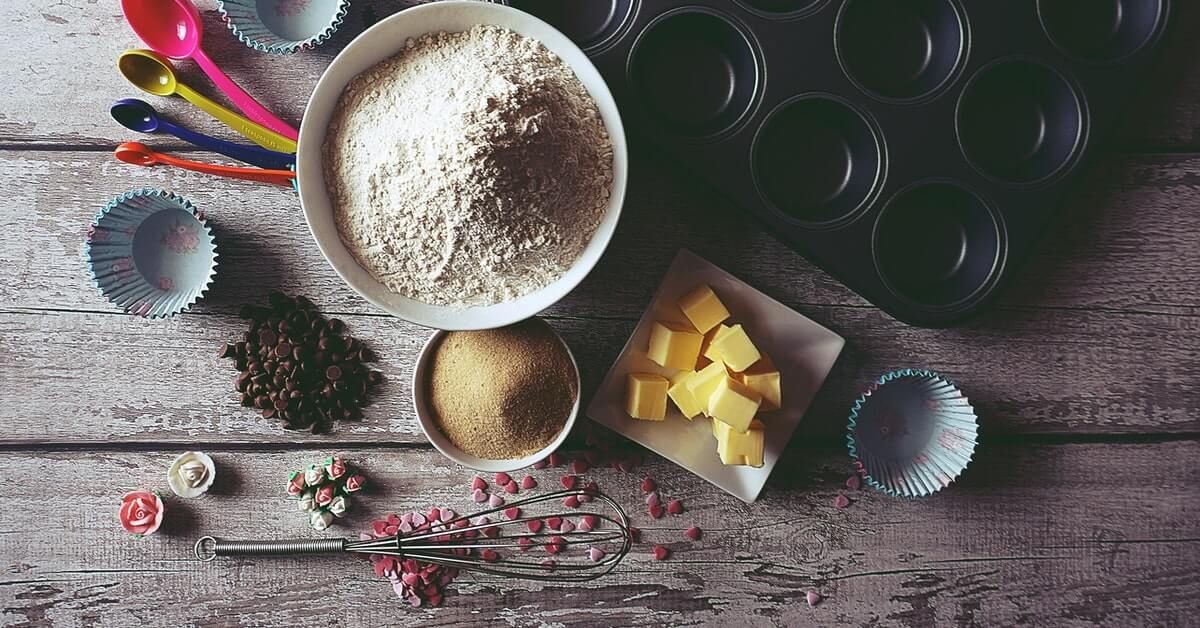
You do not need a large collection of tools to start baking. A few basic items are enough for most recipes. Measuring cups, measuring spoons, mixing bowls, a whisk, and a sturdy spatula can handle many everyday baking tasks.
A good baking pan is also important. Keep a few useful sizes for cakes, cookies, and bread. An oven thermometer can help you check the actual oven temperature, especially if your oven does not heat evenly. A cooling rack is helpful for letting baked goods cool properly.
As you gain experience, you can add more tools to your kitchen. A hand mixer can make mixing easier, while a rolling pin is useful for dough and pastries. Choose tools that match the recipes you enjoy making instead of buying everything at once.
How to Measure Ingredients
Accurate measurements can make a big difference in baking. Too much flour can make a cake dry, while too much liquid can make the batter too thin. Use dry measuring cups for ingredients like flour and sugar. Use a liquid measuring cup for milk, water, and oil. For small amounts, measuring spoons work best.
Keep these simple tips in mind:
- Spoon flour into the cup instead of packing it down.
- Level dry ingredients with the back of a knife.
- Place a liquid cup on a flat surface before checking the amount.
- Use a kitchen scale when a recipe gives measurements by weight.
- Measure each ingredient before adding it to the bowl.
Taking a little extra care with measurements can help your recipes turn out more consistently. It also makes baking easier because you can follow the recipe with confidence.
Choosing the Right Ingredients
Good ingredients can make a big difference in baking. Always check that your ingredients are fresh and suitable for the recipe. Fresh eggs, flour, butter, and dairy products can help improve the taste and texture of baked foods. If a recipe gives a specific type of flour or sugar, use it when possible.
Different ingredients can produce different results. For example, all-purpose flour works well for many everyday recipes, while bread flour is better for chewy breads. Butter can add rich flavor, while oil often gives cakes a softer texture. Choosing the right ingredient for the recipe helps you get the result you expect.
| Ingredient | What to Look For | Common Use |
| Flour | Fresh and suitable for the recipe | Cakes, bread, cookies |
| Sugar | Fine and dry | Cakes, cookies, desserts |
| Butter | Fresh and properly stored | Cakes, cookies, pastries |
| Eggs | Fresh and at the recommended temperature | Cakes, muffins, cookies |
| Milk | Fresh and suitable for the recipe | Cakes, bread, muffins |
| Baking powder | Fresh and active | Cakes, muffins, quick breads |
| Baking soda | Fresh and stored properly | Cookies, cakes, quick breads |
| Vanilla | Good-quality extract or flavoring | Cakes, cookies, desserts |
| Cocoa powder | Unsweetened when required | Brownies, cakes, cookies |
| Yeast | Fresh and within its best-use period | Bread and rolls |
Baking Tips for Better Results
Good baking starts with careful preparation. Read the recipe before you begin. Measure each ingredient correctly and keep everything ready. Preheat the oven to the required temperature before placing your baking dish inside.
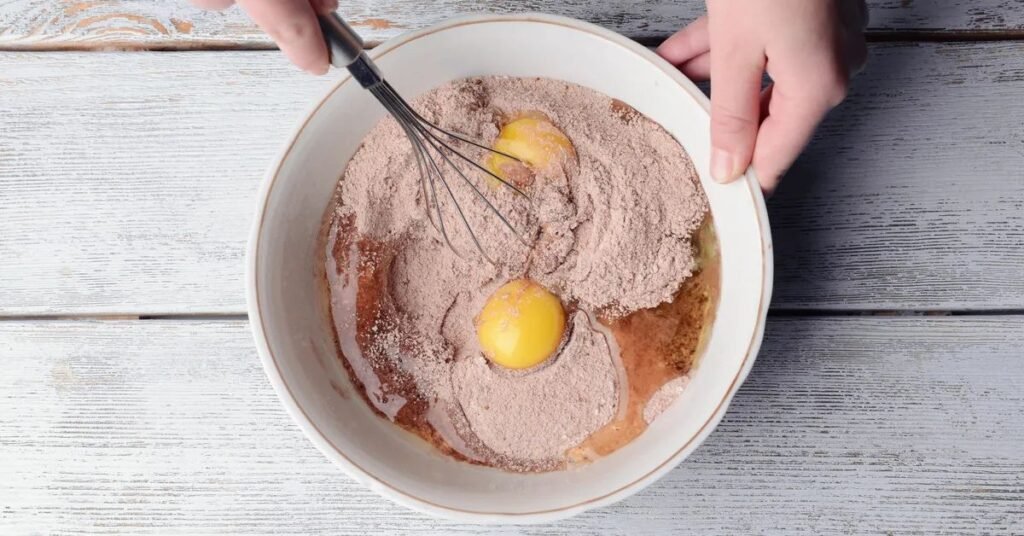
Mix the ingredients according to the recipe. Avoid overmixing when making cakes, muffins, or quick breads. Overmixing can make them heavy and dense. Also, use the correct pan size because it can affect how quickly the food bakes.
Watch your baked goods as they near the end of the cooking time. Use simple checks, such as a toothpick for cakes, when the recipe allows it. After baking, let the food cool properly. These small steps can help you get better texture, flavor, and results.
How to Prepare Your Oven
Start by checking the recipe for the required temperature. Preheat your oven before you begin baking. This gives the oven enough time to reach the right heat. A properly heated oven helps your food bake more evenly.
Make sure the oven rack is in the correct position. Most recipes tell you where to place it. Keep the oven interior clean and remove extra trays or pans that you do not need. If possible, use an oven thermometer to check whether the temperature is accurate.
Avoid opening the oven door too often while baking. Each time you open it, heat can escape. This may affect the baking time and texture. Once the food is ready, carefully remove the pan and place it on a heat-safe surface or cooling rack.
Tips for Making Better Cakes
Start with ingredients at the right temperature. Unless the recipe says otherwise, butter and eggs often work best when they are at room temperature. Measure everything carefully and prepare your cake pan before mixing the batter. This makes the baking process smoother.
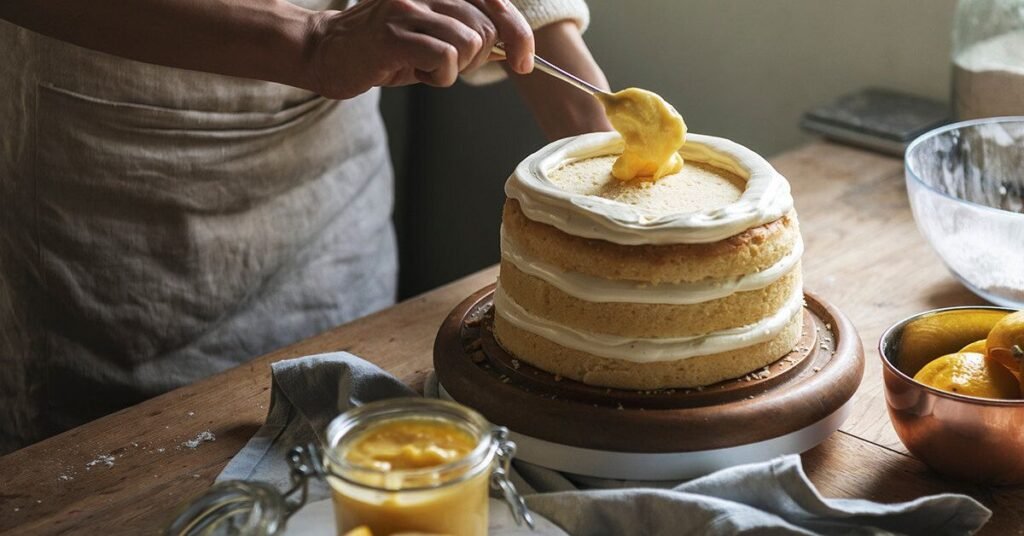
Do not overmix the batter after adding the flour. Mix just until the ingredients come together. Overmixing can make the cake heavy instead of light and soft. Also, avoid filling the pan too much. Leave enough space for the cake to rise as it bakes.
Keep the oven door closed while the cake is baking. Check the cake near the end of the suggested baking time with a toothpick if the recipe allows it. Once baked, let the cake cool before removing it from the pan. This helps the cake keep its shape and makes decorating easier.
Easy Tips for Perfect Cookies
Start with fresh ingredients and measure them carefully. Use the type of flour and sugar listed in the recipe. If the recipe calls for softened butter, let it soften naturally instead of melting it. These small details can affect the texture of your cookies.
Give the cookie dough enough space on the baking tray. Place the dough portions apart so they have room to spread. Use a lined or lightly prepared tray when needed. Also, keep the dough portions similar in size so the cookies bake at about the same rate.
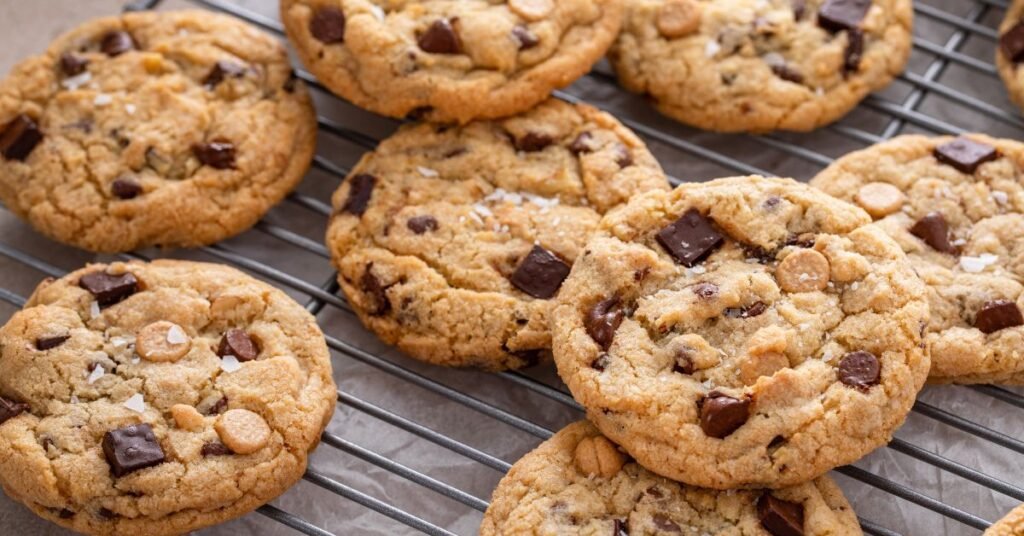
Do not overbake the cookies. They may look slightly soft when you take them out of the oven, but they can continue to firm up as they cool. Let them rest on the tray for a few minutes before moving them to a cooling rack. This helps keep their shape and texture.
How to Store Baked Goods
Proper storage helps baked goods stay fresh for longer. Let cakes, cookies, bread, and muffins cool completely before storing them. Warm food can create moisture inside the container. This may make the texture soggy or affect its freshness.
Use an airtight container for most cookies, cakes, and muffins. Keep the container in a cool, dry place away from direct sunlight. Bread is usually best kept in a bread bag or suitable container at room temperature. Some baked goods with cream, custard, or other perishable fillings should be refrigerated.
If you have more than you can eat soon, freezing can be a useful option. Wrap the baked goods well before placing them in the freezer. Label the package with the date so you know how long it has been stored. Thaw frozen items according to the type of food to help maintain their texture and flavor.
Simple Baking Tips to Remember
Keep your baking routine simple and organized. Read the recipe from start to finish before you begin. Measure your ingredients carefully and prepare your tools in advance. This can save time and reduce mistakes while you work.
Pay attention to small details during baking. Preheat the oven properly and use the correct pan size. Follow the mixing instructions and avoid changing ingredient amounts without a good reason. Every recipe has its own balance, so small changes can affect the final result.
Most importantly, give yourself time to practice. Not every bake will be perfect on the first try. Learn from the results and make small improvements next time. With patience and regular practice, baking can become easier, more enjoyable, and more rewarding.
Final Thoughts on Better Baking
Baking becomes easier when you understand the basics. Measure ingredients carefully and follow the recipe step by step. Simple habits like preheating the oven and using the right tools can make a big difference.
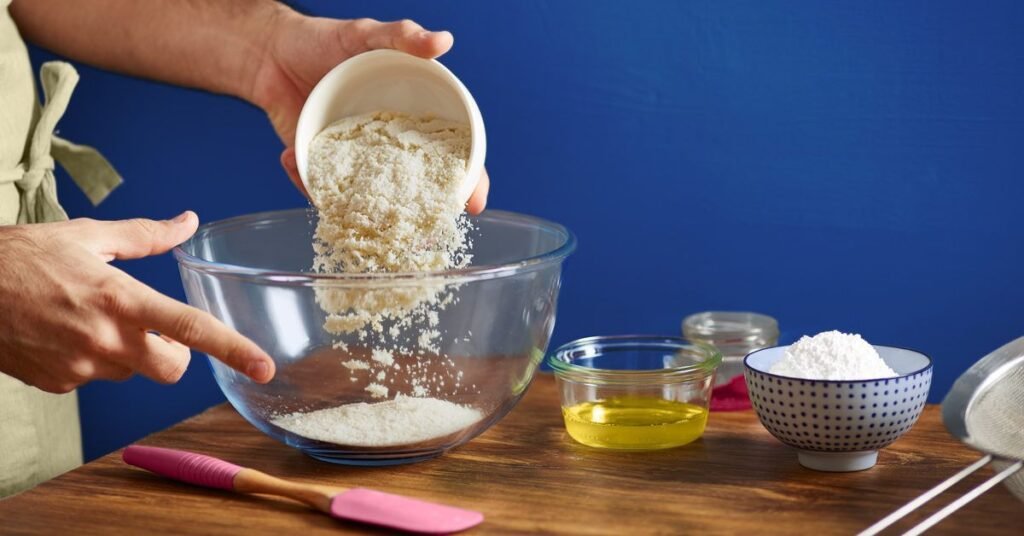
Do not worry if every bake is not perfect. Mistakes are a normal part of learning. Keep practicing and pay attention to what works best for you. Over time, you will become more confident in the kitchen and enjoy making your favorite baked treats.
Conclusion
Baking does not have to be difficult. With the right ingredients, careful measurements, and a properly prepared oven, you can get better results. Simple baking tips can help you avoid common mistakes and make the process easier.
Keep practicing and do not be afraid to try new recipes. Every bake gives you a chance to learn something new. With time and patience, you can become more confident and enjoy making delicious treats at home.
FAQs
1. What is the most important baking tip for beginners?
Measure ingredients carefully and follow the recipe instructions. Small changes can affect the final result.
2. Why is preheating the oven important?
Preheating helps your baked goods cook at the correct temperature from the start. It can also improve their texture and rise.
3. How can I prevent cakes from becoming dry?
Avoid overbaking and measure the ingredients correctly. Check the cake near the end of the recommended baking time.
4. Why do cookies spread too much?
Too much butter, incorrect flour measurements, or warm dough can cause cookies to spread. Follow the recipe closely for better results.
5. How should I store homemade baked goods?
Let them cool completely before storing. Use an airtight container for most cakes, cookies, and muffins to help maintain freshness.
- 0
- By softplatter964@gmail.com
- August 18, 2026 11:32 AM