

8, Aug 2026
Russia and Food: A Taste of Traditional Russian Cuisine
Russia and food have a strong connection with the country’s history and culture. In fact, Russian cuisine includes hearty meals, simple ingredients, warm soups, breads, grains, vegetables, and traditional drinks. Moreover, many families prepare these dishes to create filling and comforting meals, especially during cold seasons. As a result, traditional food continues to play an important role in everyday life.
Have you ever wondered what people in Russia enjoy eating at home? Although Russian food may look simple, it offers many rich and interesting flavors. For example, people enjoy warm soups, soft dumplings, fresh breads, and sweet treats. In addition, different regions use local ingredients and cooking methods, which gives Russian cuisine plenty of variety.
In this article, we will explore the world of Russia and food. First, you will learn about popular Russian dishes and common ingredients. Next, we will look at cooking traditions and traditional drinks. Finally, we will explore the important role that food plays in Russian family life and celebrations.
Russian Dairy Products
Dairy products are an important part of Russian food culture. People commonly use milk, sour cream, cottage cheese, and kefir in many meals. They can enjoy these foods on their own or add them to soups, pancakes, desserts, and other dishes.
Sour cream is especially popular in Russian cooking. It adds a smooth and creamy taste to many traditional foods. Cottage cheese is also widely used. People often serve it with fruit or use it to make sweet dishes such as syrniki, a type of small cheese pancake.
Kefir is another well-known dairy product in Russia. It is a fermented milk drink with a light, tangy taste. Russian families may enjoy it as a simple drink or with meals. Together, these dairy foods show how everyday ingredients can play an important role in traditional Russian cuisine.
Russian Porridge
Russian porridge is a simple and comforting part of traditional cuisine. People often make Russian porridge with grains such as buckwheat, oats, millet, or semolina. They cook the grains with water or milk until they become soft and creamy. People can enjoy it as a warm breakfast or a light meal.
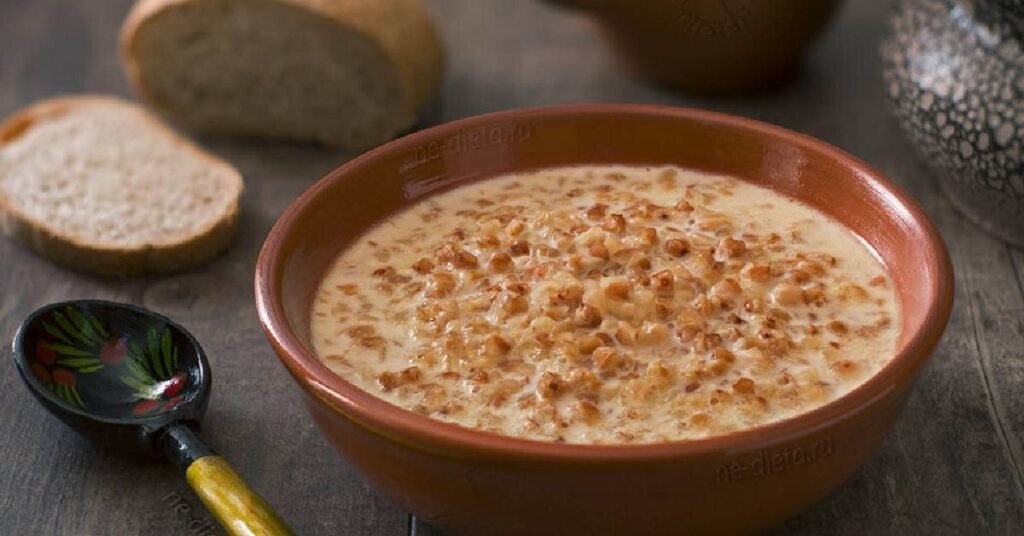
Buckwheat porridge, known as grechka, is especially common in Russia. Buckwheat porridge has a mild, nutty flavor, and people often serve it with butter, milk, vegetables, or other toppings. People may sweeten other porridges with fruit, honey, or sugar to create a different taste.
Porridge has remained popular because it is easy to prepare and works well with simple ingredients. It can be changed to suit different tastes and meals. This everyday dish also reflects the practical and comforting nature of traditional Russian food.
Russian Meat Dishes
Meat dishes are an important part of traditional Russian cuisine. Many home cooks use beef, pork, chicken, and other meats in their everyday meals. Cooks often prepare these dishes slowly or pair them with potatoes, vegetables, grains, and flavorful sauces.
Pelmeni is one of the best-known Russian dishes. Cooks fill these small dumplings with seasoned meat and boil them in water until they are tender. Another popular choice is beef stroganoff, which combines tender strips of beef with a creamy sauce. Pirozhki filled with meat also make a tasty snack or light meal.
Russian meat dishes are often simple but satisfying. Families may serve them during regular meals, holidays, or gatherings. Different regions also have their own cooking styles, so traditional recipes can vary in ingredients and preparation.
Russian Fish Dishes
Fish has a long history in Russian cuisine, especially in areas near rivers, lakes, and coastal regions. Common choices include herring, salmon, pike, and carp. Fish may be baked, boiled, fried, smoked, or served with simple sauces. Traditional recipes often pair fish with potatoes, grains, fresh herbs, or vegetables.
Some popular ways to enjoy Russian fish include:
- Smoked fish: Often served as a simple snack or meal.
- Pickled herring: Commonly enjoyed with potatoes and onions.
- Baked fish: Prepared with herbs, vegetables, or a light seasoning.
- Fish pies: Pastry filled with fish and other simple ingredients.
These dishes show how Russian cooking makes good use of local ingredients. Recipes can differ from one region to another, giving Russian fish dishes a wide range of flavors and styles.
Russian Baked Goods
Russian baked goods are an important part of the country’s food culture. Bread, pies, buns, and pastries are enjoyed at home and during special occasions. Many recipes use simple ingredients such as flour, yeast, butter, eggs, and sugar. The result is often warm, soft, and filling.
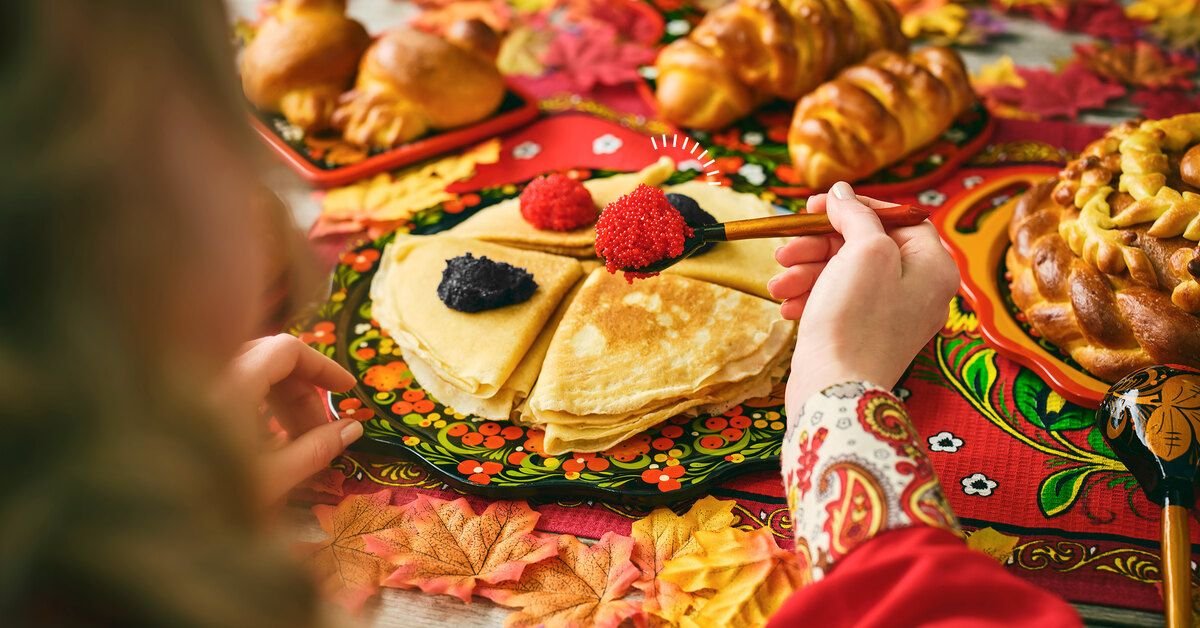
Pirozhki are a popular example of Russian baking. These small pastries can be filled with meat, potatoes, cabbage, mushrooms, or sweet ingredients. Blini are another favorite. They are thin pancakes that can be served with sweet or savory toppings. During holidays and family gatherings, baked treats often bring people together around the table.

Different Russian baked goods have their own textures and flavors. Some are made for everyday meals, while others are linked to celebrations and traditions.
| Russian Baked Good | Main Ingredients | Common Filling or Topping | How It Is Enjoyed |
| Pirozhki | Flour, yeast, butter | Meat, potato, cabbage, fruit | Snack or light meal |
| Blini | Flour, milk, eggs | Sour cream, jam, fish | Breakfast or special occasions |
| Kulich | Flour, eggs, butter, sugar | Raisins, dried fruit | Easter celebration |
| Pryanik | Flour, honey, spices | Glaze or jam | Sweet snack |
| Vatrushka | Flour, yeast, cheese | Sweet cottage cheese | Breakfast or dessert |
| Kalach | Flour, yeast, salt | Usually plain | Bread or snack |
| Pirog | Flour, eggs, butter | Meat, fish, vegetables, or fruit | Family meals and gatherings |
| Sushki | Flour, eggs, sugar | Usually plain | Tea-time snack |
Russian Mushroom Dishes
Mushrooms have a special place in traditional Russian cooking. They are often gathered in forests and used in many home-style recipes. Fresh, dried, salted, and pickled mushrooms can all be found in Russian cuisine. Their earthy flavor works well with potatoes, onions, grains, and herbs.
People often cook mushrooms with onions and serve them as a simple side dish. They also add mushrooms to soups, pies, dumplings, and potato dishes. During colder months, people can store dried mushrooms for a long time and add them to meals when needed.
Some common ways to enjoy mushrooms in Russian food include:
- Mushroom soup: A warm and comforting dish made with mushrooms and vegetables.
- Mushrooms with potatoes: A simple combination often cooked with onions and herbs.
- Pickled mushrooms: Served as a side dish or appetizer.
- Mushroom pies: Pastry filled with seasoned mushrooms and other ingredients.
Russian Holiday Foods
Russian holidays often bring families together around a generous table. Traditional foods may include salads, soups, meat dishes, pastries, and homemade desserts. Each family can have its own recipes and serving traditions, passed down through generations.
New Year is one of the biggest food-centered celebrations in Russia. Olivier salad is a familiar part of many New Year tables, along with other festive dishes and small appetizers. During Easter, kulich, a tall sweet bread with dried fruit, is commonly prepared. Paskha, a sweet dish made with farmer cheese, may also be served.
Holiday meals are not only about the food. They are also a time for family, conversation, and celebration. Traditional recipes can make these occasions feel special and help keep Russian food customs alive.
Russian Pickled and Canned Goods
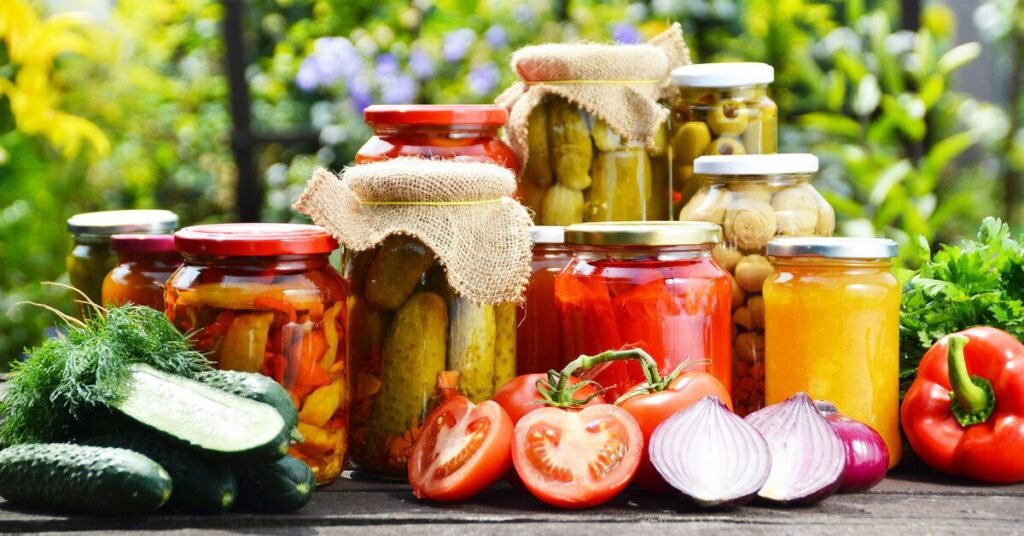
Pickling and preserving have long been useful parts of Russian food traditions. Families have preserved vegetables and fruits to enjoy them beyond the harvest season. Cucumbers, cabbage, tomatoes, and mushrooms are commonly prepared this way. Simple ingredients such as salt, vinegar, herbs, and spices can add a sharp and savory taste.
Pickled foods are often served as small side dishes or appetizers. Sauerkraut, known as kvash enaya kapusta, is especially popular and can be eaten with potatoes, meat, or other meals. Pickled cucumbers and tomatoes may also appear on a traditional table. Homemade fruit preserves, such as berry jams, are another way to keep seasonal flavors for later.
These preserved foods reflect the practical side of Russian cooking. They helped households make better use of seasonal produce and store food for colder months. Today, pickled and canned foods remain familiar parts of many Russian meals and family gatherings.
Russian Soups
Soup is an important part of traditional Russian cuisine. It is often served as a warm and filling meal, especially during cold weather. Russian soups can include vegetables, meat, grains, cabbage, or beans. Many recipes use simple ingredients but create rich and comforting flavors.
Shchi is a well-known Russian cabbage soup. It can be prepared with fresh or fermented cabbage and may include meat or vegetables. Borscht is another popular soup, usually made with beets, cabbage, and other vegetables. Ukha, a traditional fish soup, is made with fish and a light broth.
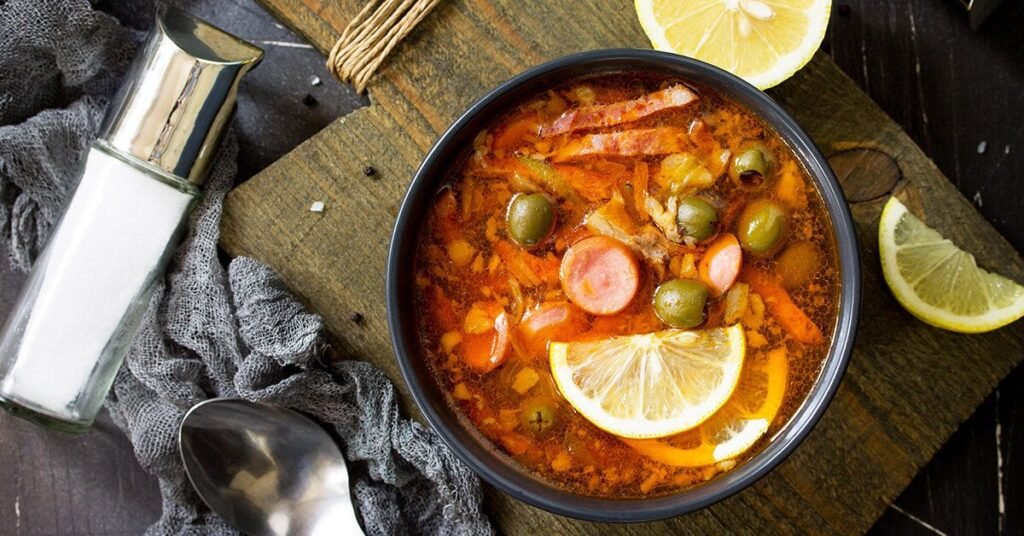
Russian soups can vary from one family or region to another. Some are light and simple, while others are thick and hearty. They are often served with bread, sour cream, or fresh herbs, making them a comforting choice for everyday meals.
Russian Condiments and Spices
Russian cooking often uses simple seasonings to bring out the natural taste of food. For example, common choices include dill, black pepper, garlic, mustard, horseradish, and bay leaves. In addition, these ingredients are used in soups, meat dishes, vegetables, fish, and homemade sauces. As a result, even simple meals can have a pleasant and balanced flavor.
Horseradish, for instance, has a strong and spicy taste. Therefore, it is often served with meat, fish, or other savory foods. Similarly, mustard is a familiar condiment that adds a sharp and slightly tangy flavor to sandwiches and cooked dishes. Meanwhile, fresh dill is widely used with potatoes, soups, pickled vegetables, and fish. Besides this, garlic can add extra flavor to sauces, marinades, and homemade meals.
Although Russian cooking uses many herbs and seasonings, they are usually added to support the main ingredients rather than hide their natural taste. Furthermore, different families and regions may have their own favorite combinations. For this reason, the same dish can taste slightly different from one home to another. Overall, this simple approach creates fresh, savory, and comforting flavors that are closely connected with traditional Russian food.
Russian Drinks
Russian drinks include a mix of traditional beverages and everyday favorites. Tea is one of the most popular choices and is often enjoyed throughout the day. It may be served with lemon, sugar, honey, or homemade sweets. In colder weather, warm drinks are especially comforting.
Traditional Russian beverages also include kvass, a lightly fermented drink made from bread, and mors, a fruit drink often prepared with berries. Kompot is another familiar choice, made by simmering fruits in water. These drinks can be served cold or warm, depending on the season.

Russian drinks often reflect the country’s simple and seasonal approach to food. Berries, fruits, herbs, and grains are used to create different flavors. They are enjoyed at home, with meals, and during family gatherings.
Final Thoughts
Russia and food offer a rich look into the country’s culture and traditions. From simple home meals to festive dishes, Russian cuisine uses everyday ingredients to create filling and comforting food. For example, soups, porridge, baked goods, pickled foods, dairy products, and traditional drinks are enjoyed in daily life. In addition, each dish reflects different cooking habits and regional traditions.
Moreover, food plays an important role in Russian family gatherings and holidays. During special occasions, families often prepare traditional dishes and share them together. As a result, many recipes have been passed down through generations. Overall, exploring Russia and food is a simple way to discover new flavors and learn more about the country’s history, culture, and food traditions.
Conclusion
Russia and food have a deep connection with everyday life and tradition. Russian cuisine includes warm soups, hearty meals, baked goods, dairy products, and refreshing drinks. Many dishes use simple ingredients and familiar cooking methods.
Exploring Russian food is a great way to discover the country’s culture. Traditional recipes also show the importance of family and seasonal ingredients. From homemade meals to holiday dishes, Russian cuisine offers many flavors worth trying.
FAQs
1. What are some popular Russian foods?
Popular choices include borscht, pelmeni, blini, shchi, and beef stroganoff.
2. What is a common Russian breakfast?
Breakfast may include porridge, blini, eggs, bread, cottage cheese, or tea.
3. What drinks are popular in Russia?
Tea, kvass, mors, and kompot are traditional and commonly enjoyed drinks.
4. Are Russian foods spicy?
Most traditional Russian dishes are not very spicy. They often use herbs, garlic, mustard, and other mild seasonings.
5. What makes Russian cuisine special?
Russian cuisine combines simple ingredients, hearty meals, and long-standing family traditions.
- 0
- By softplatter964@gmail.com
- August 8, 2026 11:01 AM