
29, Jul 2026
Top 10 Foods for Healthy Kitten Growth
Kitten food is specially made to give young cats the nutrients they need to grow. It contains more protein, healthy fats, vitamins, and minerals than adult cat food. Feeding the right kitten food helps build strong bones, healthy muscles, and a strong immune system.
Choosing the best kitten food can feel confusing because there are so many brands and types available. Wet or dry? Grain-free or regular? The right choice can make a big difference in your kitten’s health, energy, and overall development.
In this guide, you’ll discover the 10 best kitten food options for healthy growth and development. We’ll also share simple tips on what to look for in quality kitten food so you can choose the best option for your furry friend.
Why Proper Nutrition Matters
Good nutrition is the foundation of a kitten’s health. Young cats grow very fast during their first year of life. They need the right balance of protein, healthy fats, vitamins, and minerals to support strong bones, muscles, and organs.
A healthy diet also gives kittens the energy they need to play, explore, and learn. Proper nutrition helps build a strong immune system, making it easier for them to fight off common illnesses. It also supports healthy skin, a shiny coat, and good digestion.
Feeding a balanced diet from an early age can lead to better health as your kitten grows into an adult cat. Choosing high-quality food and following the right feeding schedule helps your pet develop healthy eating habits that last a lifetime.
Essential Nutrients in Kitten Food
Kittens need a diet that is rich in high-quality protein because it helps build strong muscles and supports healthy growth. Protein from animal sources, such as chicken, turkey, or fish, is easier for kittens to digest and provides the amino acids their bodies need.
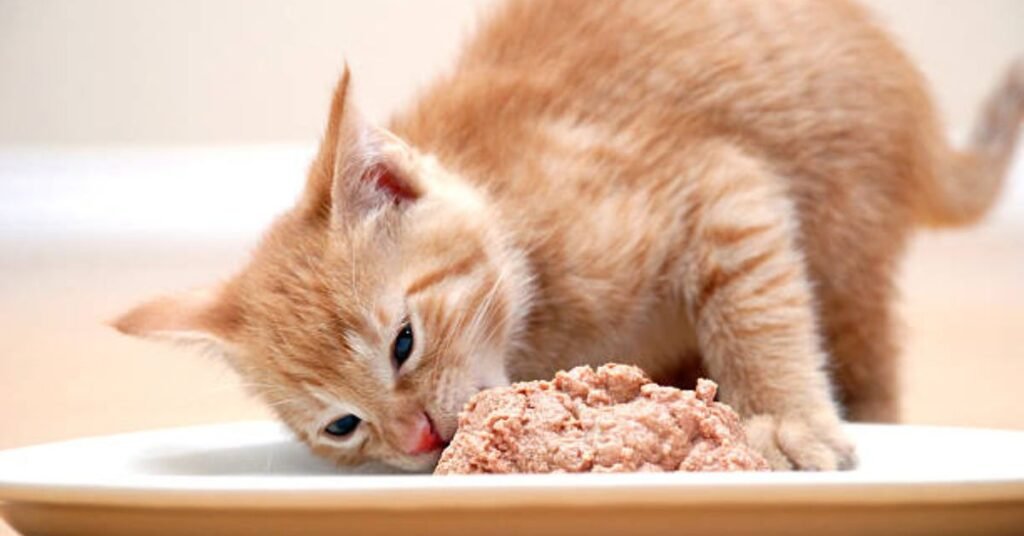
Healthy fats are another important part of a kitten’s diet. They provide energy for daily activities and help support brain and eye development. Vitamins and minerals, including calcium, phosphorus, and vitamin D, are also essential for building strong bones and teeth.
A complete and balanced diet should also include taurine, an amino acid that supports heart health, vision, and normal growth. Fresh water is just as important as food because it keeps your kitten hydrated and helps maintain healthy digestion and overall well-being.
How to Choose the Best Kitten Food
Start by looking for food that is specially made for kittens. It should provide complete and balanced nutrition to support healthy growth during the first year of life. Check the label to make sure it is designed for a kitten’s age and needs.
Read the ingredient list before buying. Choose food with real meat, such as chicken, turkey, or fish, as the first ingredient. It should also contain healthy fats, vitamins, minerals, and taurine while avoiding unnecessary fillers and artificial additives whenever possible.
Think about your kitten’s preferences and health needs. Some kittens enjoy wet food, while others prefer dry food or a mix of both. If your kitten has a sensitive stomach or a medical condition, ask your veterinarian for advice before changing its diet.
Top 10 Kitten Food Options
Finding the right food for your kitten is important for healthy growth and daily energy. The best options provide high-quality protein, healthy fats, vitamins, and minerals. They are also easy to digest and made to meet the nutritional needs of growing kittens.
Every kitten is different, so the ideal choice depends on its age, taste, and overall health. Some kittens enjoy dry food, while others prefer wet food or a mix of both. Below are ten popular options that are trusted by many pet owners and veterinarians.
- Royal Canin Kitten Dry Cat Food
- Hill’s Science Diet Kitten Food
- Purina Pro Plan Kitten Food
- Blue Buffalo Healthy Growth Kitten Food
- IAMS ProActive Health Kitten Food
- Wellness Complete Health Kitten Food
- Fancy Feast Kitten Wet Food
- Purina ONE Healthy Kitten Formula
- Instinct Original Kitten Food
- Merrick Purrfect Bistro Kitten Food
Wet vs. Dry Kitten Food
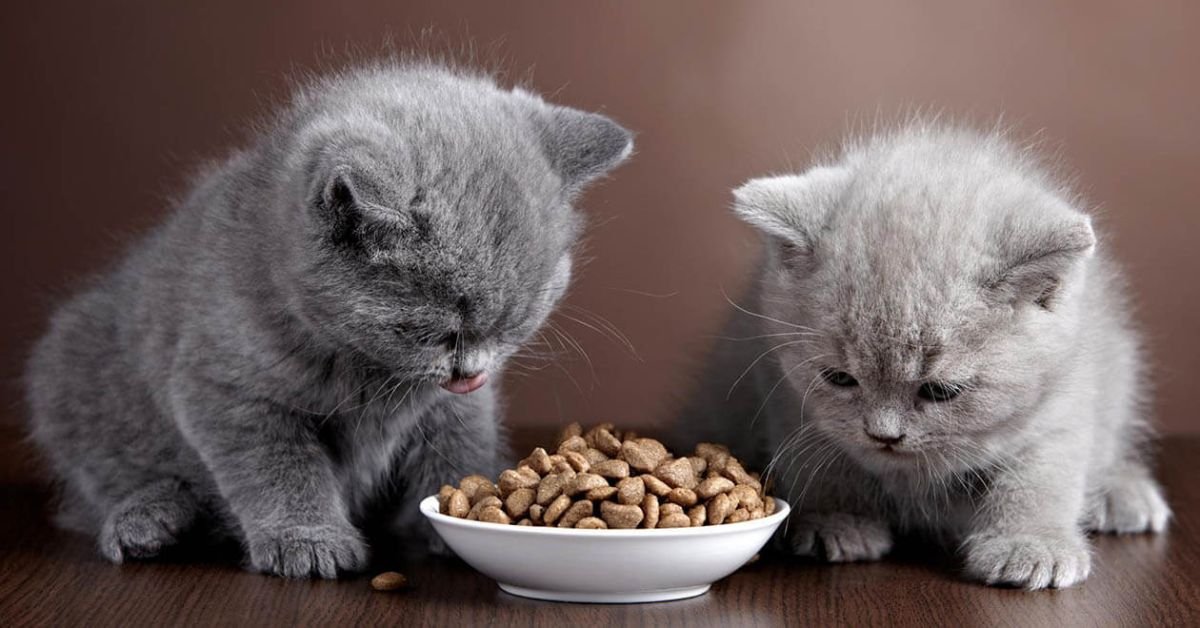
Wet and dry food both have benefits for growing kittens. Dry food contains more moisture, which helps keep kittens hydrated. It is also soft and easy to chew, making it a good choice for very young kittens. Dry food is convenient to store, costs less, and stays fresh longer after opening.
The best choice depends on your kitten’s needs and preferences. Some kittens enjoy the soft texture of wet food, while others like the crunchy texture of dry food. Many veterinarians recommend feeding a mix of both because it provides variety and helps kittens get the benefits of each type.
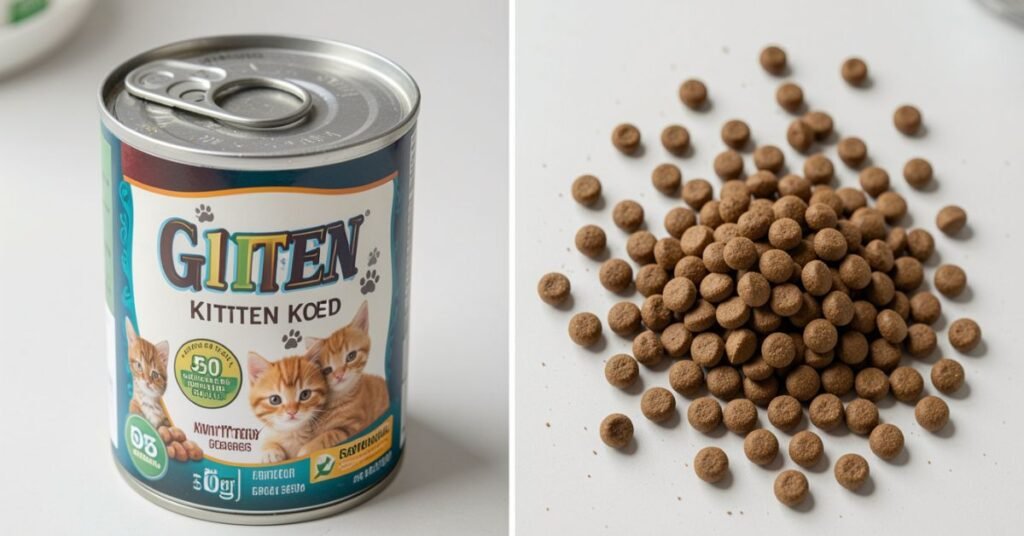
No matter which type you choose, always buy food that is made for kittens and offers complete and balanced nutrition. Fresh, clean water should always be available. If you plan to change your kitten’s diet, do it slowly over several days to avoid stomach upset.
| Feature | Wet Food | Dry Food |
| Moisture Content | High | Low |
| Texture | Soft and smooth | Crunchy |
| Best For | Young kittens and hydration | Daily feeding and convenience |
| Protein Quality | Usually high | Usually high |
| Fat Content | Can be higher | Varies by brand |
| Helps Hydration | Yes | No, extra water is needed |
| Dental Benefits | Limited | May help reduce plaque buildup |
| Shelf Life After Opening | Short, refrigerate leftovers | Long when stored properly |
| Cost | Usually more expensive | Usually more affordable |
| Storage | Needs refrigeration after opening | Easy to store at room temperature |
| Taste | Often more appealing | Depends on the kitten |
| Feeding Convenience | Requires more preparation | Quick and easy to serve |
| Suitable for Picky Eaters | Yes | Sometimes |
| Can Be Mixed Together | Yes | Yes |
How Much Kitten Food to Feed
The amount of food your kitten needs depends on its age, weight, and activity level. Young kittens grow quickly and need small meals several times a day. Most kittens eat three to four meals daily until they are around six months old.
Always follow the feeding guide on the food package as a starting point. You can adjust the amount based on your kitten’s growth and body condition. Avoid overfeeding because it may lead to unhealthy weight gain, while too little food can affect normal development.
Make sure fresh water is available at all times. Weigh your kitten regularly to check that it is growing at a healthy rate. If you are unsure about the right portion size, ask your veterinarian for advice based on your kitten’s specific needs.
Foods to Avoid for Kittens
Some human foods can be harmful to kittens and should never be included in their diet. Chocolate, onions, garlic, grapes, raisins, and foods containing caffeine are toxic to cats. Alcohol and products made with xylitol are also dangerous and should always be kept out of reach.
Avoid giving kittens cooked bones, raw dough, heavily seasoned foods, and fatty table scraps. These foods can cause choking, digestive problems, or more serious health issues. Cow’s milk is also not a good choice because many kittens have trouble digesting lactose.
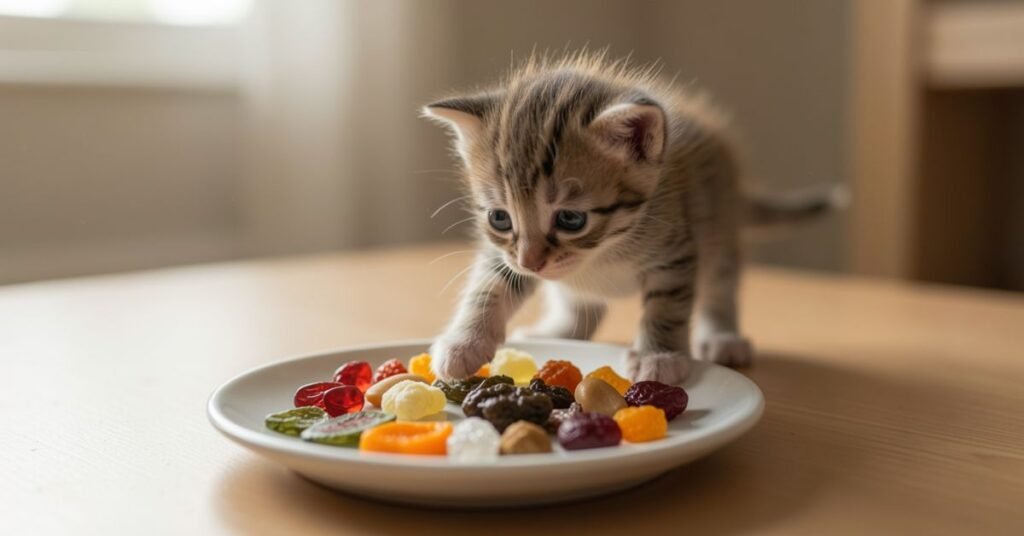
Feed your kitten only food that is specially made for young cats or approved by your veterinarian. If your kitten accidentally eats something unsafe, contact a veterinarian as soon as possible. Acting quickly can help prevent serious health problems.
Signs of Healthy Growth
A healthy kitten grows steadily and stays active throughout the day. It enjoys playing, exploring, and interacting with people or other pets. Bright eyes, clean ears, and a soft, shiny coat are also good signs of overall health.
Your kitten should have a healthy appetite and maintain a normal body weight as it grows. Regular bowel movements, easy digestion, and plenty of energy usually show that its diet is meeting its nutritional needs. Healthy teeth and strong bones also develop with proper care and balanced nutrition.
Keep an eye on your kitten’s growth by weighing it regularly and watching for any changes in behavior or eating habits. If you notice weight loss, poor appetite, low energy, or a dull coat, it may be time to visit a veterinarian. Early attention can help keep your kitten healthy and growing well.
Common Feeding Mistakes
Many new pet owners make simple feeding mistakes that can affect a kitten’s health. One common mistake is giving adult cat food too early. Adult formulas do not provide the extra nutrients that growing kittens need during their first year.
Another mistake is feeding too much or too little food. Overfeeding can lead to unhealthy weight gain, while underfeeding may slow healthy growth. Changing food suddenly can also upset a kitten’s stomach, so it is always better to switch to a new diet gradually.
Avoid giving too many treats or sharing human food from the table. These foods may not be safe or balanced for kittens. Following a regular feeding schedule, providing fresh water every day, and choosing high-quality food will help your kitten grow strong and healthy.
Tips for Switching Kitten Food
Changing your kitten’s food should be done slowly to avoid stomach problems. Start by mixing a small amount of the new food with the current food. Over the next 7 to 10 days, gradually increase the new food while reducing the old one.
Watch your kitten during the transition period. A healthy appetite, normal digestion, and good energy levels are signs that the new food is working well. If you notice vomiting, diarrhea, or a refusal to eat, slow down the change or speak with your veterinarian.
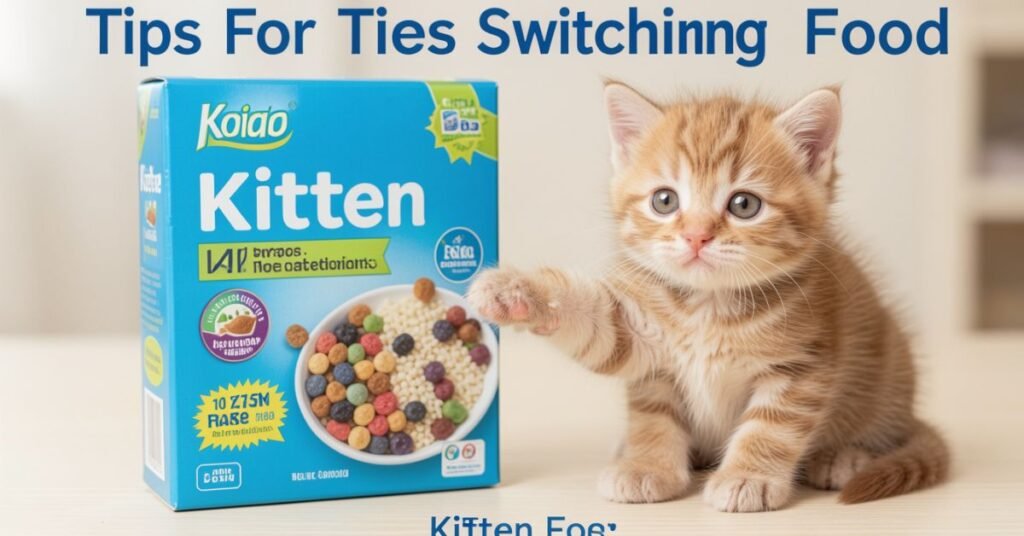
Always choose a high-quality diet that matches your kitten’s age and nutritional needs. Keep fresh water available at all times and follow the recommended feeding portions. A gradual switch helps your kitten adjust comfortably and supports healthy growth.
Conclusion
Choosing the right kitten food is one of the best ways to support your kitten’s health and growth. A balanced diet provides the nutrients needed for strong bones, healthy muscles, and plenty of energy. Feeding high-quality food from an early age helps build healthy habits that can last a lifetime.
Every kitten has different needs, so take time to choose food that matches its age, size, and activity level. Follow a regular feeding schedule, provide fresh water every day, and monitor your kitten’s growth. With proper nutrition and good care, your kitten can grow into a happy, healthy adult cat.
FAQs
1. When should kittens start eating kitten food?
Kittens can start eating kitten food at about 4 weeks of age.
2. Can kittens eat adult cat food?
No. Kittens need special food to support healthy growth.
3. How many times should I feed my kitten?
Most kittens need 3–4 small meals each day.
4. Is wet food better than dry food?
Both are healthy. A mix of wet and dry food is often a good choice.
5. When should I switch to adult cat food?
Most kittens can switch to adult cat food at around 12 months of age.
- 0
- By softplatter964@gmail.com
- July 29, 2026 11:46 AM